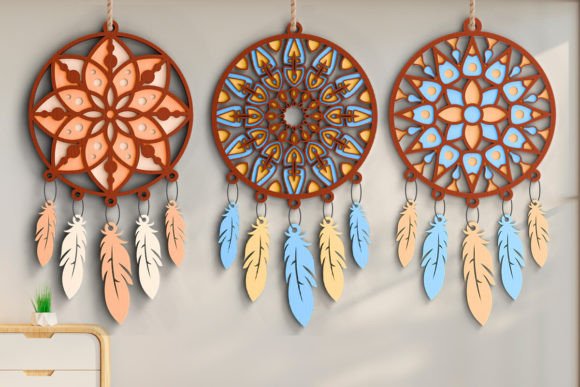
3D Dream Catchers Layered SVG Bundle: Crafting Meaning with Depth and Design
Dream catchers have long been cherished as symbols of protection, positivity, and cultural heritage. Their intricate webs and dangling feathers evoke a sense of calm and mystery, making them a favorite subject for artists, crafters, and home decor enthusiasts. Today, the 3D Dream Catchers Layered SVG Bundle brings this timeless symbol into the digital age, offering a versatile tool for creating stunning, multi-dimensional art. Whether you're a seasoned crafter with a cutting machine or a beginner exploring layered designs, understanding what this bundle offers and how to use it can transform your creative projects.
This article explores the purpose, significance, and practical relevance of 3D dream catcher layered SVG bundles, helping you grasp the concept from the ground up. We'll cover what makes these files special, how they differ from standard SVGs, and how you can use them to craft beautiful, meaningful decor for your home or business. By the end, you'll have a clear picture of why these bundles are gaining popularity and how they fit into modern crafting and digital design.
What Is a 3D Dream Catchers Layered SVG Bundle?
At its core, a 3D Dream Catchers Layered SVG Bundle is a collection of SVG (Scalable Vector Graphics) files designed to be cut, layered, and assembled into a three-dimensional representation of a dream catcher. Unlike flat, single-layer cut files, a layered SVG contains multiple distinct pieces that, when stacked or arranged, create depth, shadow, and a realistic 3D effect.
Think of it like a papercraft puzzle: each layer represents a different part of the dream catcher—the outer ring, the woven web, the feathers, beads, and decorative accents. When you cut each layer from materials like cardstock, vinyl, or even wood veneer, and then glue or stack them together, the image pops off the page or wall, giving it a tactile, sculptural quality.
These bundles typically include a variety of dream catcher designs, ranging from simple, minimalist styles to elaborate, ornate patterns. The "3D" aspect is what distinguishes them from ordinary SVG cut files, making them ideal for projects where visual impact and depth are important.
The Cultural Roots and Modern Significance of Dream Catchers
Before diving into the technical details, it helps to understand the cultural and symbolic meaning behind dream catchers. Originating with Indigenous peoples, particularly the Ojibwe (Chippewa) tribe, dream catchers were traditionally made from natural materials like willow hoops, sinew, and feathers. They were hung above sleeping areas to "catch" good dreams and filter out nightmares, allowing only positive visions to pass through the web and slide down the feathers to the sleeper below.
In modern times, dream catchers have become a widespread symbol of peace, spirituality, and connection to nature. They appear in home decor, jewelry, fashion, and art, often appreciated for their aesthetic beauty as well as their deeper meaning. When you craft a 3D dream catcher using layered SVGs, you're not just making a decorative item—you're creating a piece that carries this rich heritage and positive intention.
Important note: While dream catchers are widely used in contemporary crafting, it's essential to approach them with respect for their cultural origins. Many Indigenous artists and communities encourage mindful use, especially when creating items for sale or public display. Learning about the symbolism and history adds depth to your project and helps you share that story with others.
How Layered SVGs Create the 3D Effect
The magic of a 3D dream catcher layered SVG lies in its construction. Each file in the bundle contains multiple individual design elements that are intended to be stacked on top of each other. Here's a breakdown of how the layers typically work:
- Backing or base layer: This is the largest piece, often forming the complete outline of the dream catcher. It provides structure and serves as the foundation for the rest of the layers.
- Ring layers: The circular hoop of the dream catcher may be split into two or more layers—an outer ring, an inner ring, and sometimes a mid-ring—to create the illusion of rounded depth.
- Web layers: The intricate web pattern is usually divided into multiple overlapping pieces. Some layers may represent the front strands of the web, while others sit behind or between ring layers to give the appearance of woven thread.
- Feather and bead layers: Hanging elements are cut separately and can be layered in different colors or textures. Feathers often have a gradient effect created by stacking lighter and darker tones.
- Accent and shadow layers: Many bundles include small offset pieces that, when placed behind a main element, create a shadow or halo effect, enhancing the 3D illusion.
When assembled correctly, these layers trick the eye into seeing a rounded, tactile object rather than a flat cutout. The depth can range from a subtle raised effect to a dramatic, sculptural look, depending on the thickness of your materials and the number of layers used.
Practical Applications: Where to Use 3D Dream Catcher SVGs
The beauty of a 3D Dream Catchers Layered SVG Bundle is its versatility. Once you understand how to assemble the layers, the possibilities are endless. Here are some of the most common and creative ways to use these files:
- Wall art and home decor: Assemble the dream catcher with cardstock or chipboard and frame it in a shadow box, or hang it directly on the wall as a standalone piece. The 3D effect makes it a standout feature in any room.
- Gifts and personal keepsakes: Create a custom dream catcher for a friend or family member, choosing colors and materials that match their personal style. The layered design gives a handmade, thoughtful feel.
- Party decorations and events: Use the SVGs to create large dream catchers for weddings, baby showers, or boho-themed parties. You can scale the files up or down to fit different spaces.
- Business branding and products: If you sell crafts on platforms like Etsy or at local markets, 3D dream catchers are popular items. The layered effect adds perceived value and visual appeal that flat designs can't match.
- Mixed media and art journals: Incorporate smaller versions of the dream catcher into scrapbooks, greeting cards, or art journals. The layers can be adhered with foam tape to give dimension on a flat page.
- Educational projects: Use the assembly process to teach children or students about symmetry, layering, and cultural symbolism. It's a hands-on way to explore design and storytelling.
Choosing Materials for Your 3D Dream Catcher
The materials you select can dramatically affect the final look and feel of your project. Here are some popular options for each layer:
- Cardstock: The most common choice for papercraft. It's affordable, comes in many colors and textures, and cuts cleanly on most machines. Use 65 lb to 80 lb cardstock for a sturdy but stackable result.
- Vinyl: Adhesive vinyl can be used for a more modern, sleek finish. It's especially useful for wall decals that stick directly to the surface.
- Chipboard or kraft board: For a thicker, more rigid base, chipboard adds weight and durability. Ideal for freestanding or larger pieces.
- Felt or fabric: Some layered bundles work with fabric sheets, giving a soft, tactile feel that mimics traditional dream catcher materials.
- Wood veneer or basswood: For an earthy, natural aesthetic, thin wood sheets can be cut with the right blade and settings. They add a beautiful organic quality.
When layering, consider using foam adhesive squares between layers to raise each piece slightly. This amplifies the 3D effect and prevents the layers from flattening against each other.
Common Misunderstandings and Practical Tips
As with any digital craft file, there are a few common misconceptions about 3D layered SVGs. Let's clarify them so you can work with confidence:
- Myth: You need a special machine to use layered SVGs. Truth: Any cutting machine that accepts SVG files—such as Cricut, Silhouette, or Brother ScanNCut—can handle these files. You just need to load each layer separately.
- Myth: Layered SVGs are only for experts. Truth: While they take a little more time than single-layer designs, most bundles come with detailed instructions. Beginners can start with simpler 3- or 4-layer designs and work up to more complex ones.
- Myth: All layered bundles are the same. Truth: Quality varies. Look for bundles that include well-organized files with labeled layers, clear assembly guides, and separate file formats (SVG, DXF, PNG) for different machines.
- Myth: The 3D effect only works with thick materials. Truth: Even with standard cardstock, stacking layers creates noticeable depth. You can enhance the effect with foam tape or by using slightly thicker paper for the base.
Tips for Getting the Best Results
To make the most of your 3D Dream Catchers Layered SVG Bundle, keep these practical tips in mind:
- Test cut first: Always do a small test cut of each layer to ensure your settings are correct for the material you're using. This saves waste and frustration.
- Organize your layers: Keep the layers separated in labeled folders or zip bags as you cut them. Numbering them according to the assembly guide helps avoid confusion.
- Use a light box or bright surface: When assembling, work on a light-colored surface so you can see the alignment of each layer clearly.
- Experiment with color palettes: Don't be afraid to deviate from the suggested colors. Monochromatic schemes can look elegant, while contrasting colors emphasize the layered structure.
- Consider the background: If you're displaying the dream catcher on a wall or in a frame, the background color will affect how the layers pop. A dark background can make lighter layers stand out dramatically.
The Broader Context: Layered SVGs in Modern Crafting
The rise of 3D layered SVGs is part of a larger trend in digital crafting toward more complex, dimensional projects. As cutting machines become more accessible and affordable, crafters are moving beyond simple stickers and flat cutouts. Layered designs offer a way to create professional-looking decor and gifts with a handmade touch, without needing advanced sculpting or assembly skills.
For small business owners, especially those selling on Etsy or at craft fairs, layered SVGs are a goldmine. A single bundle can yield dozens of unique finished products, each with a different color scheme or material choice. The 3D effect often commands a higher price point because customers perceive it as more intricate and valuable.
Educators and parents also find value in these bundles. Assembling a layered dream catcher can be a calming, focused activity that teaches patience, spatial reasoning, and attention to detail. It's a creative way to introduce topics like symmetry, layering in art, and cultural symbolism.
Final Thoughts: Bringing Depth to Tradition
A 3D Dream Catchers Layered SVG Bundle is more than just a set of digital files—it's a gateway to creating something beautiful and meaningful. Whether you're crafting for personal enjoyment, gift-giving, or business, the layered approach adds a sense of depth that honors the spirit of the dream catcher itself: protective, layered with intention, and open to interpretation.
By understanding how these files work, choosing the right materials, and approaching the project with creativity and respect, you can produce pieces that are not only visually stunning but also rich in story. The 3D dream catcher becomes a conversation starter, a symbol of positive energy, and a testament to the craft of layering both design and meaning.
So, whether you're a digital crafting veteran or just starting your journey with SVGs, the 3D dream catcher bundle offers a satisfying project that rewards patience and creativity. Dive in, experiment with layers, and watch your designs take on a life of their own.