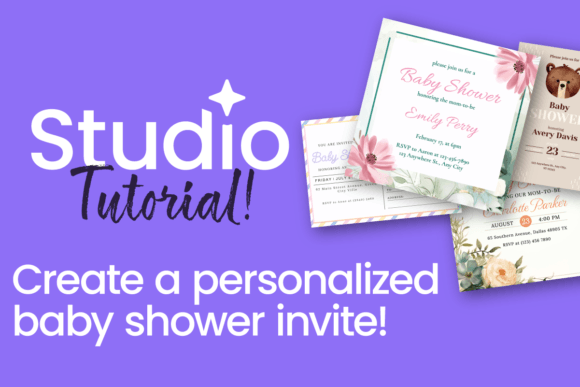
Designing the Perfect Personalized Baby Shower Invite
The moment a soon-to-be parent decides to celebrate a new arrival, the visual tone is set with a single, crucial piece of communication: the invitation. For graphic designers, mastering how to create a personalized baby shower invite is more than just arranging text on a card; it’s about encapsulating a brand-new story in a confined canvas, balancing aesthetics with emotional resonance, and executing a flawless visual hierarchy. This unique design challenge offers a masterclass in applying core graphic design principles to a deeply personal creative project.
The Designer’s Playground for Branding and Emotion
In the world of visual design, baby shower invitations serve as a microcosm of larger branding projects. They require a distinct voice, a cohesive color palette, and typography that speaks volumes. For designers, this is an opportunity to showcase expertise in brand identity by treating the invitation as a standalone brand—complete with a logo, visual language, and a clearly defined audience. The skills applied here directly translate to digital marketing, social media graphics, and even UI design, where user engagement hinges on immediate emotional connection. Every decision, from the weight of a typeface to the opacity of a background pattern, contributes to the professional presentation and overall user experience.
Beyond the Card: Applications Across Creative Disciplines
The principles used to create a personalized baby shower invite extend far beyond the event itself. Mastering this niche strengthens your overall design workflow and opens doors to repeat business. Here is how invitation design connects to broader creative projects:
- Branding and Logo Design: The invitation’s motif often evolves into a full brand system for thank-you cards, party banners, and signage, reinforcing a cohesive brand identity.
- Digital Marketing and Social Media: These designs translate beautifully into Instagram announcements, Facebook event covers, and email headers, requiring consistency across platforms and adherence to current design trends.
- Web and UI Design: Modern invitations often link to a registry or a custom event website. The visual hierarchy and responsive design considerations mirror modern UX best practices.
- Packaging and Print Design: From the envelope liner to the belly band, every tactile element is a lesson in print design, paper selection, and finishing techniques like letterpress or foil stamping.
- Editorial and Layout Design: Balancing text, imagery, and white space on a 5x7 card is a pure exercise in editorial design and composition, demanding a keen eye for modern aesthetics.
Typography: The Voice of the Invitation
Choosing typefaces is where designers can elevate a project from homemade to high-end. A delicate script for the mom-to-be’s name paired with a clean sans-serif for logistical details creates contrast and effectively guides the reader’s eye. In the world of typography, mixing textures and weights proves that readability does not have to sacrifice style. The right font pairings act as creative assets that define the entire mood.
Color Palette and Visual Hierarchy
Color psychology plays a pivotal role. Soft pastels or vibrant jewel tones? A monochromatic scheme or a bold complementary palette? The choices here affect the entire design inspiration and creative direction. A well-defined color palette ensures readability and strengthens the emotional pull, whether the goal is a serene botanical vibe or a playful gender-neutral announcement. Strong visual hierarchy ensures that the critical details—date, time, and location—are immediately scannable.
Imagery and Iconography
Custom illustrations or high-quality vector assets elevate the design beyond generic clip art. Searching for unique creative assets that align with the theme—be it watercolor florals, geometric shapes, or whimsical woodland creatures—is a core part of the design workflow. Consistency in the illustration style is key to achieving a polished, cohesive result that feels curated rather than assembled.
Optimizing Your Workflow for Invitation Design
To consistently deliver premium work and strengthen your brand as a designer, integrate these practical checks into your process:
- Audience First: Is the invitation for a modern minimalist or a lover of vintage glam? The design goals must match the recipient’s expectations and the event’s tone.
- Scalability and Readability: A beautiful design fails if the date and time are hard to decipher. Ensure strong contrast and a logical flow of information.
- Asset Management: Build a library of versatile graphic design resources—vectors, textures, and fonts—to speed up your creative workflow without sacrificing originality.
- Presentation Matters: Show the invite in a professional mockup (on a table, in an envelope) to sell the design concept to your client. This bridges the gap between digital creation and physical product, enhancing perceived value.
Ultimately, the drive to create a personalized baby shower invite is a testament to the power of thoughtful design. It is an intimate yet public declaration of joy, a functional piece of communication that requires the full spectrum of a designer’s skill set—from branding and typography to print production and emotional intelligence. By approaching these creative projects with the same rigor as a full-scale branding campaign, designers not only delight their clients but also refine the core competencies that make all visual communication effective. Whether you are crafting for a client or a loved one, remember that the best designs feel both beautifully curated and deeply personal, proving that quality creative assets are the foundation of any memorable celebration.