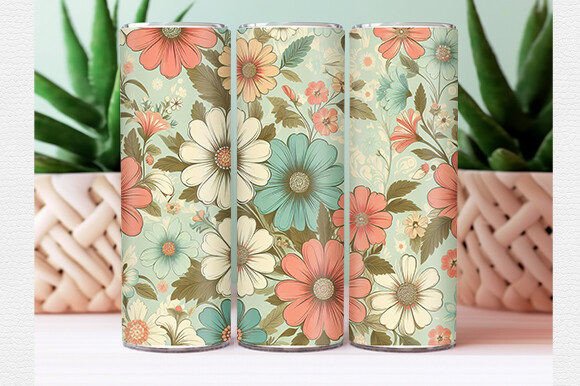
Flower Tumbler Wrap Sublimation Design: A Practical Guide to Crafting Beautiful, Durable Tumblers
If you have ever tried your hand at customizing tumblers, you know the excitement of turning a plain stainless steel surface into something personal and striking. Among the many styles and patterns available, flower tumbler wrap sublimation design has emerged as a favorite for crafters and small business owners alike. This approach blends the natural appeal of floral imagery with the technical reliability of sublimation, giving you a way to create tumblers that feel both artistic and professional. Whether you are making gifts for loved ones or building an inventory for your shop, understanding how to work with flower-based sublimation wraps can elevate your projects and help you avoid common pitfalls.
What Is a Flower Tumbler Wrap Sublimation Design?
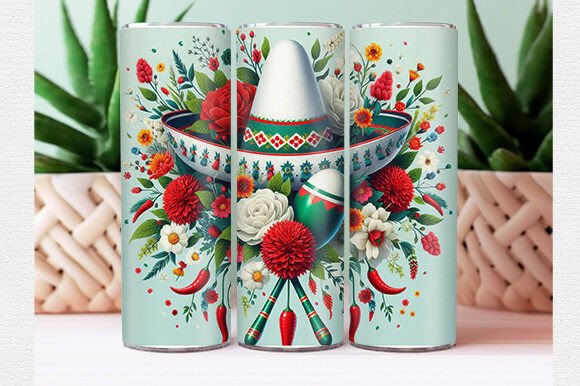
A flower tumbler wrap sublimation design is a digital graphic featuring floral motifs, printed onto sublimation paper and then transferred onto a tumbler using heat and pressure. The sublimation process causes the ink to bond with a polymer coating on the tumbler, resulting in a permanent, vibrant image that won't peel, crack, or fade over time. What makes floral designs so popular is their versatility: they range from delicate watercolor botanicals to bold, modern line art, and from romantic rose clusters to cheerful wildflower meadows.
Because sublimation embeds the ink into the coating rather than sitting on top of it, the final product retains the smooth texture of the tumbler while displaying crisp, full-color imagery. This durability is a major reason why many creators choose sublimation over other decorating methods. When you combine that durability with the timeless appeal of flowers, you get a product that resonates with a wide audience.
Understanding the Challenges You Might Face
Working with any sublimation design comes with a learning curve, and flower wraps are no exception. One of the first hurdles is selecting an image that will transfer clearly onto a curved surface. A design that looks perfect on a flat screen may distort or appear stretched when wrapped around a tumbler. This is especially true for intricate floral patterns where alignment matters.
Another common challenge is color accuracy. Flowers often contain subtle gradients and soft pastels, and sublimation can sometimes shift hues depending on the printer, paper, and time and temperature settings. If your pink peony turns out too magenta or your lavender looks gray, the entire design loses its appeal. Understanding how your specific equipment handles these tones is essential before you commit to a production run.
Then there is the issue of taping and wrapping. A flower tumbler wrap sublimation design needs to be securely taped in place so that no gaps or ghosting occur during the transfer. With floral patterns, it can be harder to see where the edges of the paper overlap, increasing the risk of misalignment. Many crafters find that practicing with a few test wraps helps them build confidence before moving on to customer orders.
How Flower Tumbler Wrap Sublimation Design Solves Real Needs
Despite these challenges, a flower tumbler wrap sublimation design offers solutions that other decoration methods cannot match. For example, if you are looking for a way to create matching sets for bridal parties, birthdays, or holidays, sublimation allows you to repeat the same floral pattern across multiple tumblers with perfect consistency. Every tumbler in the set will look identical, which is difficult to achieve with hand painting or vinyl.
If you run a small business, floral sublimation wraps help you offer a product that feels upscale without requiring you to hold physical inventory of printed tumblers. You can print designs on demand, apply them as orders come in, and avoid waste. This is particularly valuable when you want to experiment with different flower styles—sunflowers for summer, poinsettias for winter, cherry blossoms for spring—without overcommitting to stock.
For hobbyists, working with floral designs provides a creative outlet that yields practical, usable items. A tumbler with a favorite flower motif can become a daily companion for coffee, water, or iced tea. Because the sublimated image stays vibrant through repeated washing, the tumbler remains a source of joy for years. Many crafters report that their first successful flower wrap gave them the confidence to tackle more complex designs.
Practical Applications and Real Outcomes
One of the most rewarding aspects of using a flower tumbler wrap sublimation design is seeing how it transforms an ordinary object into a personalized keepsake. Consider a scenario where you are creating gifts for a garden club or a nature-themed event. A sleek tumbler featuring a custom floral wrap can serve as a thoughtful, functional favor that participants will actually use. The durability of sublimation ensures the design survives the dishwasher, so the gift continues to look great long after the event ends.
Another practical application is building a product line around seasonal floral trends. In early spring, wraps with tulips and daffodils tend to attract attention. Around Valentine's Day, roses and heart-shaped floral clusters sell well. By keeping a library of flower tumbler wrap sublimation designs organized by season, you can quickly adapt your offerings without starting from scratch each time. This approach saves time and helps you respond to what your customers are searching for.
Many creators also use floral wraps as a foundation for personalization. You can add names, initials, or short messages to the design while keeping the flower motif as the main visual. This combination of natural beauty and custom text often results in higher perceived value, allowing you to price your tumblers accordingly. Customers appreciate the ability to give a gift that feels both artistic and uniquely theirs.
Recommendations for Getting Started or Improving Your Results
If you are new to working with flower tumbler wrap sublimation design, start with designs that have clear outlines and defined shapes rather than very soft, diffuse watercolor effects. Clear edges make it easier to see if your wrap is aligned correctly during taping. As you become more comfortable, you can experiment with more complex floral arrangements.
Pay attention to the resolution of the digital files you use. A low-resolution image that looks fine on screen may appear pixelated after sublimation, especially on a large tumbler. Aim for at least 300 DPI at the size you intend to print. If you are creating your own designs, work in a color space that matches your printer profile to minimize shifts in hue.
Temperature and time settings vary by equipment, but a good starting point for most tumblers is around 400 degrees Fahrenheit for 60 seconds. However, always test with a sample wrap first. A test run with a flower design will reveal whether your particular combination of paper, printer, and tumbler coating produces the results you want. Keep notes on what works so you can replicate your successes.
When taping the wrap, use high-temperature tape and apply it evenly along the edges. Some crafters prefer to tape the seam where the two ends of the paper meet, while others add vertical strips every few inches to keep the paper pressed firmly against the tumbler. The goal is to avoid any gaps that could let ink escape or cause blurring. With floral designs, even a small misalignment at the seam can be noticeable, so take your time with this step.
How Different Users Approach Flower Tumbler Wrap Sublimation Design
Hobbyists, small business owners, and professional crafters each bring their own perspective to flower tumbler wrap sublimation design. If you are a hobbyist, you might prioritize designs that bring you personal joy—favorite flowers, meaningful color palettes, or patterns that remind you of a special place. You have the freedom to experiment without pressure, which makes this a great space to learn and refine your technique.
If you run a small business, your focus is likely on efficiency and market appeal. You may choose floral wraps that have broad appeal, such as neutral-toned botanicals or bright, cheerful patterns that work across age groups. You might also batch your production, printing several tumblers with the same design at once to save time. Many business owners find that offering a small rotating selection of flower wraps keeps their inventory fresh without overwhelming customers with choices.
For professional crafters who teach workshops or sell digital files, floral sublimation wraps offer a way to share expertise. You might create tutorials showing how to align a complex floral pattern on a tapered tumbler, or you might sell your own exclusive flower tumbler wrap sublimation design sets to other creators. In this case, the focus shifts from production to education and design, giving you a different kind of satisfaction.
Key Considerations for Long-Term Success
Quality matters at every stage of the process. Invest in a good sublimation printer and paper, because cheap materials often lead to disappointing results with floral images. Since flowers rely on subtle color transitions, you need a printer that can handle gradients smoothly. Likewise, use tumblers that are specifically designed for sublimation, with a proper polymer coating. An uncoated tumbler will not accept the ink, no matter how good your design is.
Keep an eye on trends in floral aesthetics. While classic roses and daisies never go out of style, there are always fresh looks gaining popularity—such as dried flower bouquets, pressed flower aesthetics, or abstract floral shapes. Paying attention to what people are sharing on social platforms can help you choose designs that feel current. At the same time, don't ignore your own taste. The best work often comes from a genuine appreciation for the subject.
Document your process. When you find a flower tumbler wrap sublimation design that works perfectly, note the exact settings, paper brand, and tape method you used. This record becomes invaluable when you want to reproduce the same design later or troubleshoot issues with a new pattern. Consistency is one of the hardest things to achieve in sublimation, and good notes are your best tool for maintaining it.
Finally, remember that every mistake teaches you something. A floral wrap that comes out too dark, too light, or slightly blurred is not a failure—it is information. Adjust your temperature, check your printer profile, or try a different tape technique. Over time, you will develop an intuitive sense of what works for your specific setup.
Whether you are making a single tumbler for your morning coffee or producing dozens for a market stall, flower tumbler wrap sublimation design offers a reliable, beautiful way to create something people genuinely want to use and show off. The combination of floral artistry and sublimation durability is hard to beat, and with a little practice, you can achieve results that look store-bought but feel handmade. That blend of quality and personal touch is exactly what keeps people coming back for more.