Happy Papa’s Lucky Son: What This Mindset Can Teach Us About Parenting, Gratitude, and Resilience
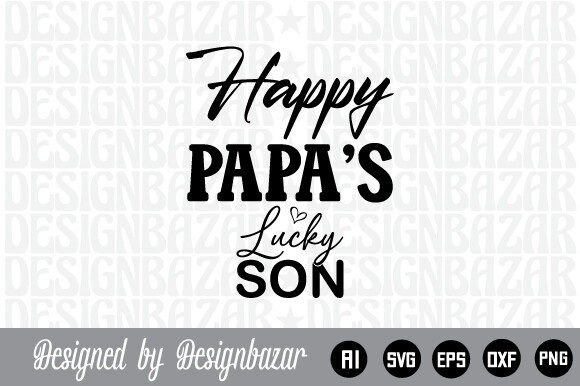
Every parent wants the best for their child. But what does “best” really mean? Is it academic success, financial security, or something deeper? The phrase Happy Papa’s Lucky Son captures a timeless idea: a father who feels lucky to have his son, and a son who grows up knowing he is valued—not just for what he achieves, but for who he is. This article explores what Happy Papa’s Lucky Son means in practical terms, the challenges modern families face in cultivating that spirit, and how any parent can apply its core lessons to raise happier, more resilient children.
What Is “Happy Papa’s Lucky Son”?
At its heart, Happy Papa’s Lucky Son is a philosophy—not a product or a single book. It represents the dynamic between a father who embraces gratitude and a son who internalizes that sense of being wanted and valued. The “luck” isn’t about chance. It’s about a conscious choice to view parenthood as a gift, even when life gets hard. The “happy papa” is someone who actively cultivates joy in his role, and his “lucky son” grows up with a strong foundation of security and self-worth.
This concept shows up in many forms: family stories, parenting blogs, cultural proverbs, or even as a nickname for a cherished child. The core message is that a father’s attitude directly shapes a child’s sense of belonging. When a dad repeatedly tells his son, “I’m so lucky to be your papa,” that belief becomes part of the child’s identity. Over time, the son learns to see himself as fortunate, capable, and deeply loved.
Challenges That Families Face Today
Before we explore how Happy Papa’s Lucky Son can help, it’s important to acknowledge the pressures that work against this mindset. Modern parenting is full of conflicting advice, time scarcity, and external expectations. Many fathers struggle with:
- Work-life balance — long hours leave little energy for intentional connection.
- Comparison — social media makes it easy to feel your family isn’t “enough.”
- Performance pressure — focusing on grades, trophies, or college applications rather than emotional health.
- Generational patterns — repeating parenting styles that were heavy on discipline and light on warmth.
In this environment, it’s easy for a child to feel like they have to earn their place. They may develop anxiety, low self-esteem, or a deep need for external validation. The opposite is what Happy Papa’s Lucky Son promotes: unconditional acceptance that isn’t tied to performance.
How Happy Papa’s Lucky Son Addresses These Situations
The beauty of this concept is that it doesn’t require grand gestures. It works through small, consistent actions. Here’s how adopting the Happy Papa’s Lucky Son mindset can counter common parenting challenges:
1. Replacing Pressure with Presence
Instead of asking, “Did you win?” or “What grade did you get?” a happy papa focuses on the child’s effort and enjoyment. He says things like, “I love watching you play,” or “Tell me about the best part of your day.” This shifts the child’s motivation from fear of failure to genuine engagement. The lucky son learns that his value isn’t based on outcomes. Over time, this builds intrinsic motivation and mental toughness.
2. Building Resilience Through Belonging
When a child knows they are “lucky” to have their papa—and that the feeling is mutual—they develop a secure base. Research in attachment theory shows that children who feel securely attached are more willing to take risks and recover from setbacks. A father who embodies Happy Papa’s Lucky Son provides that secure anchor. Even when the son makes mistakes, he knows his papa still considers himself lucky to be his dad. That safety net is priceless.
3. Modeling Gratitude as a Life Skill
Gratitude isn’t just a buzzword; it’s a practice. A happy papa verbally expresses thankfulness for everyday moments: a shared meal, a funny joke, a quiet car ride. The son picks up on this language and begins to see the world through a lens of abundance rather than scarcity. He learns to appreciate what he has, which is a strong predictor of long-term happiness and satisfaction.
Practical Applications for Different Families
No two families are the same. That’s why the Happy Papa’s Lucky Son idea can be adapted to different situations. Let’s look at a few scenarios:
For the Busy, Working Dad
You may only have 30 minutes of quality time each evening. Instead of feeling guilty, use that time intentionally. Put away your phone. Look your son in the eye. Say, “I’m lucky I get to hang out with you tonight.” You can create a tiny ritual—like a “lucky son handshake” or a special story about something good that happened during the day. The quantity of time matters less than the quality of attention.
For the Single Father or Father Figure
If you’re raising a son on your own, you might worry about not being enough. The Happy Papa’s Lucky Son mindset reminds you that your presence is what matters most. You don’t need a perfect household or a big income. You need to communicate, again and again, that your son is a source of joy, not a burden. Write him notes, record voice messages, or make a simple tradition like “lucky Sunday breakfast.” These small touches build a powerful legacy.
For Fathers of Teenagers
The teenage years can be rocky. Your son might pull away, test boundaries, or seem uninterested in family time. This is when the foundation you built earlier really pays off. Instead of lecturing or criticizing, lean into the Happy Papa’s Lucky Son frame. Say things like, “I know we don’t always agree, but I’m really lucky to be your dad. I’m proud of the person you’re becoming.” Even if he rolls his eyes, those words sink in. They become an emotional anchor during turbulent times.
For Fathers of Younger Children
Young kids absorb everything. Use the phrase “lucky son” directly. For example, while tucking him in, whisper, “Goodnight, my lucky son. I’m so happy I get to be your papa.” Pair this with gentle physical affection. Over time, the child will start to believe they are indeed lucky—not because they got a toy, but because they have a dad who sees them as a treasure.
Real Outcomes: What Happens When You Embrace This Idea
Families who adopt the Happy Papa’s Lucky Son approach often report noticeable shifts. Sons become more confident and less anxious about disappointing others. They develop better emotional regulation because they’ve been allowed to feel without judgment. Dads, too, experience a change: they feel less stressed and more fulfilled in their role. The relationship becomes a source of mutual energy rather than a drain.
One example might be a father who used to criticize his son’s messy room daily. After shifting his focus to gratitude, he started saying, “I’m lucky to have a son who’s creative and full of life—even if his floor is a disaster zone.” The son felt seen and accepted, and eventually, he began keeping his room tidier on his own, because he wanted to contribute to the happy atmosphere. The change came from connection, not control.
Recommendations for Getting Started
If you want to bring the spirit of Happy Papa’s Lucky Son into your home, start small and be consistent. Here are some practical suggestions:
- Daily gratitude share. At dinner or bedtime, each person says one thing they’re grateful for. You can model it by saying, “I’m grateful to be your dad.”
- Create a “lucky jar.” Write down small moments you enjoyed with your son and drop them in the jar. Read them together on tough days.
- Use positive affirmations. Teach your son to say, “I am a lucky son of a happy papa” as a mantra. It sounds simple, but it rewires neural patterns over time.
- Prioritize one-on-one time. Even 15 minutes of undivided attention each week can make a huge difference. No phones, no siblings, just you and your son.
- Apologize when you falter. You’ll have bad days. That’s okay. Show your son that even a happy papa makes mistakes, and that repair is part of love.
Who Can Benefit Beyond Fathers and Sons?
While the phrase Happy Papa’s Lucky Son specifically mentions a father and son, the underlying principle is universal. Mothers, grandmothers, uncles, or any caregiver can adopt a similar mindset with any child. The key ingredients are the same: unconditional positive regard, gratitude, and intentional presence. The term itself is just a memorable anchor for a much broader practice of loving, mindful parenting.
Some users may prefer to tweak the language—for instance, “Happy Mama’s Lucky Daughter” or “Lucky Kid of a Grateful Parent.” The essence remains. For the purpose of this article, we’ve focused on the original phrase, but feel free to adapt it to your family’s unique composition.
Important Considerations
Like any parenting philosophy, Happy Papa’s Lucky Son isn’t a magic fix. It won’t eliminate tantrums, disagreements, or teenage rebellion. What it does is give you a reliable framework to return to when things get hard. You may need to unlearn some habits, especially if you were raised in a more authoritarian or emotionally distant environment. That takes time and self-compassion.
Also, consider your son’s individual temperament. Some children respond well to overt verbal affirmation; others prefer acts of service or quality time. Pay attention to what makes him light up. The goal is to communicate “you are my lucky son” in a language he understands, not just in words you think he should hear.
Final Thoughts
The idea of Happy Papa’s Lucky Son is both simple and profound. It reminds us that the most valuable gift you can give your child is the feeling of being wanted, not for what they do, but for who they are. In a world that often measures worth by achievements, this mindset is a quiet rebellion. It nurtures resilience, gratitude, and a lifelong bond that neither distance nor difficulty can break. Whether you’re a new dad, a veteran father, or someone stepping into a fatherly role, you can start today. Look at your son and say—or better yet, show—that you are lucky to be his papa. That sentence, lived out daily, can change everything.