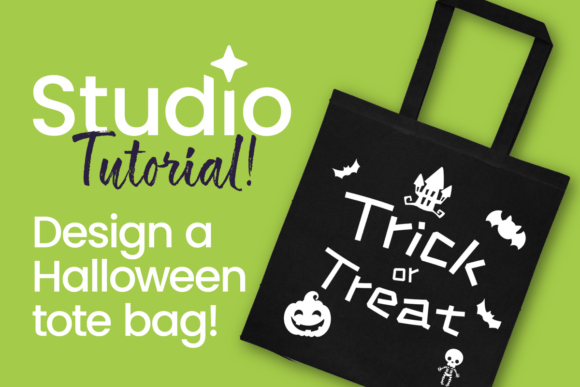
How to Make a Halloween Tote Bag
A Halloween tote bag is more than a seasonal accessory. It is a portable canvas for personal expression, a conversation starter at parties, and a surprisingly practical project for anyone who enjoys working with their hands. Whether you are a hobbyist looking for a weekend make, a small business owner testing a product line, or a designer exploring holiday-themed merchandise, learning how to make a Halloween tote bag opens up a range of creative and commercial possibilities. The project is accessible, customisable, and yields something you can actually use long after the decorations come down.
Why a Halloween Tote Bag Works for So Many People
Tote bags are already a staple in everyday life. They are used for groceries, library books, gym gear, and beach days. Adding a Halloween theme transforms a utility item into an seasonal statement piece without sacrificing function. For creators, this means the project has built-in appeal: it is not a one-time decoration that gathers dust, but a functional item that gets repeated use throughout October and even beyond.
For educators and workshop facilitators, a Halloween tote bag project offers a structured yet flexible activity. Participants can learn basic sewing, fabric painting, or stencilling techniques while producing something they will actually want to carry. For marketers and bloggers, the topic provides strong visual content and shareable tutorials that resonate with audiences looking for seasonal DIY ideas. The combination of practicality and festivity makes it a reliable angle for engagement.
Choosing a Base Bag and Understanding Your Options
The first decision when learning how to make a Halloween tote bag is selecting the base. You have three main routes: sew a bag from scratch, repurpose an existing plain tote, or buy a blank canvas bag from a craft store or wholesaler. Each option suits different goals.
Sewing from Scratch
Sewing your own bag gives you full control over size, fabric weight, lining, and handle length. A standard tote requires about half a metre of medium-weight cotton or canvas. For Halloween, consider fabrics in deep orange, purple, black, or grey. A lining in a contrasting seasonal print adds a professional touch. This approach works well for designers and entrepreneurs who want to create a consistent product for sale or gifting.
Upcycling an Existing Tote
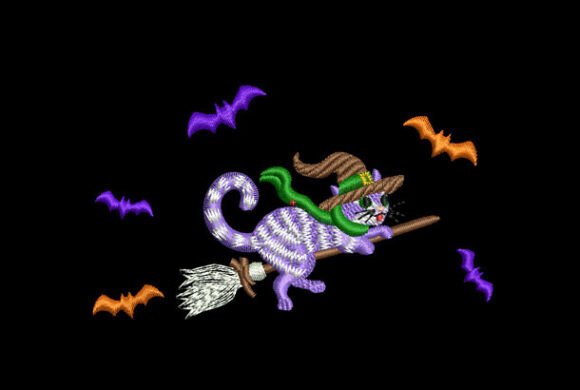
If you have a plain canvas or cotton tote already, you can transform it with fabric paint, patches, embroidery, or appliqué. This is the fastest route and ideal for beginners, hobbyists, or educators running a short workshop session. It also aligns well with sustainability-minded audiences who appreciate reuse over buying new.
Using Blank Pre-Made Bags
Blank cotton totes are inexpensive and widely available in bulk. They provide a uniform base for hand-painting, screen printing, or heat-transfer vinyl. Small business owners often start here because it reduces production time while still allowing for original designs. For a Halloween line, you could produce a limited run of hand-painted bags or scale up with screen printing for larger batches.
Design Approaches for Different Creative Goals
Once you have a base, the design phase is where the project truly becomes your own. The best designs balance visual impact with durability, especially if the bag will be used for carrying heavier items like groceries or books.
Graphic and Illustration-Based Designs
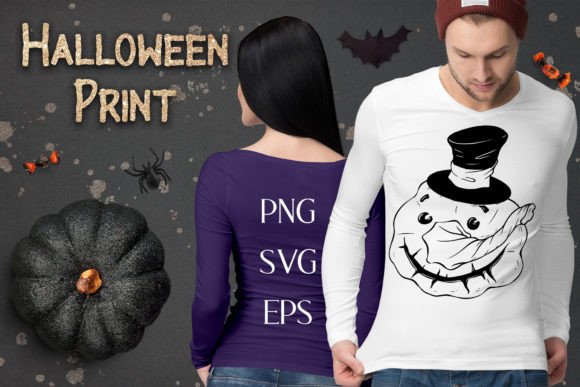
A single bold image works exceptionally well on a tote because the flat surface acts like a mini poster. Classic Halloween motifs such as black cats, jack-o-lanterns, ghosts, moons, and bats are instantly recognisable. For a modern twist, try geometric versions of these icons, or illustrate a quirky scene like a haunted house with tiny windows. If you are creating for a younger audience, consider friendly, cartoon-style characters rather than spooky imagery.
Text and Typography Statements
A well-chosen phrase can make a Halloween tote bag feel both seasonal and personal. Short lines such as Boo Crew, Spooky Season, Trick or Treat Yo Self, or Witch Better Have My Candy work well because they read quickly and fit the dimensions of a tote. Use stencils or heat-transfer vinyl for clean lettering. For hand-painted text, practice on paper first to maintain consistent spacing. Marketers and bloggers can use clever wordplay to create bags that feel shareable and Instagram-friendly.
Patchwork and Fabric Collage
For a more tactile approach, combine fabric scraps in Halloween colours and patterns. A patchwork tote can feature small squares of plaid orange, polka-dot purple, and black spiders on white. This technique is especially suited to hobbyists who enjoy slow, meditative sewing and educators who teach patchwork as a skill. It also uses up fabric remnants, which appeals to budget-conscious makers.
Practical Techniques That Keep Results Clean and Durable
A Halloween tote bag that looks great after one wear but fades or peels after the first wash is disappointing. Practical technique choices make the difference between a one-season project and a long-term favourite.
- Fabric paint and markers: Heat-set the paint with an iron after it dries. Follow the paint manufacturer's instructions for washing. Most fabric paints require a low-heat machine wash or hand wash.
- Heat-transfer vinyl: Use a quality vinyl brand and a heat press or household iron set to the correct temperature. Test a small area first, especially if the bag is made from synthetic fibres.
- Embroidery and appliqué: Use stabiliser on the back of the fabric to prevent puckering. For appliqué, sew raw edges with a satin stitch or a narrow zigzag to prevent fraying.
- Screen printing: For production runs, use inks designed for fabric that remain flexible after curing. Proper screen tension and registration ensure that multi-colour designs line up cleanly.
- Lining and interfacing: Adding a lining or fusible interfacing gives the bag structure and prevents items from poking through seams. This is especially important if the bag will carry sharp-edged objects like books or candy containers.
These techniques are relevant whether you are a solo maker or overseeing a small production line. Consistency in execution builds trust with anyone who receives or purchases your bags.
Adapting the Project for Different Audiences and Platforms
One of the strengths of understanding how to make a Halloween tote bag is how easily the project adapts to different contexts.
For Bloggers and Content Creators
A step-by-step photo tutorial or a short video showing the process from blank bag to finished product performs well in October. Include close-ups of details such as painted texture, embroidery stitches, or layered appliqué. Show the bag styled with a Halloween outfit or filled with seasonal items like mini pumpkins, candy bags, or a favourite horror novel. This kind of content is pinnable on Pinterest and shareable on Instagram and TikTok.
For Small Business Owners and Entrepreneurs
Limited-edition Halloween tote bags can be a seasonal product line that drives repeat customers. Offer customisation options such as choosing a phrase or colour scheme. Sell them at local craft fairs, through an online shop, or as part of a bundle with other Halloween items like candles or mugs. Keep your production process documented so you can scale up next year if demand grows.
For Educators and Workshop Facilitators
A Halloween tote bag workshop works for adult learners and older teens. Structure the session around two core techniques, such as stencilling and hand-painting. Provide a few pre-cut stencils of simple shapes so participants who are less confident can still produce a polished result. The takeaway is a functional item they made themselves, which builds satisfaction and word-of-mouth promotion for your next workshop.
For Hobbyists and Personal Makers
If you are making a bag for yourself, consider creating a matching set: one large tote for shopping and one smaller pouch for makeup or cables. Use identical fabric or design motifs to tie them together. Personalise the inside with a fabric label or a hidden message stitched into a seam. These small touches make the project feel special without adding significant time or cost.
Keeping Your Designs Fresh and Original
With so many Halloween tote bag tutorials online, standing out requires a thoughtful approach. Rather than copying a popular design you have seen elsewhere, combine elements that reflect your own style or your brand's voice. If your aesthetic is minimalist, use one small motif in a single colour placed off-centre. If you lean toward bold and playful, layer several images at different angles, or mix hand-drawn elements with text. Originality does not have to mean complexity. A clean, well-executed idea often performs better than a crowded design.
For marketers and designers, consider how the bag will look in photographs. A design that reads clearly from a few metres away works better for product shots and social media posts. Test your design by taking a photo of the bag in natural light and viewing it at thumbnail size. If the details disappear, simplify the composition.
Recommendations for Getting Started
If you are new to how to make a Halloween tote bag, begin with a single bag and one technique. Choose a blank canvas tote and a medium-sized stencil of a pumpkin or bat. Use fabric paint and a stencil brush to apply the design in a single colour. This gives you a successful first project with minimal materials. From there, experiment with adding a second colour, trying heat-transfer vinyl, or incorporating simple embroidery for texture.
For those with more experience, challenge yourself with a design that requires precision, such as a multi-layer screen print or a lined bag with external pockets. The pockets can hold smaller items like phone, keys, or a candy bar, adding practical value. Photograph each stage of the process to build a reference library for future projects or client commissions.
A Halloween tote bag is not just a craft project. It is a versatile vehicle for creativity, a tangible product with real-world use, and a reliable topic for content that connects with people during a season full of anticipation and celebration. By understanding the techniques, adapting the approach to your audience, and prioritising durability and originality, you can make bags that are genuinely useful and genuinely fun.