Moroccan Geometric Embroidery Delight 4: A Practical Guide to Mastering Geometric Patterns
Embroidery has long been a cherished craft, offering both creative expression and a sense of accomplishment. Among the many styles available, Moroccan Geometric Embroidery Delight 4 stands out as a particularly rewarding approach for those who appreciate precision, symmetry, and cultural richness. Whether you are an experienced embroiderer or someone just beginning to explore decorative stitching, this style provides a structured yet beautiful way to create stunning pieces. This article explores what makes this technique special, the common challenges it addresses, and how you can apply it to your own projects for satisfying results.
Understanding Moroccan Geometric Embroidery Delight 4
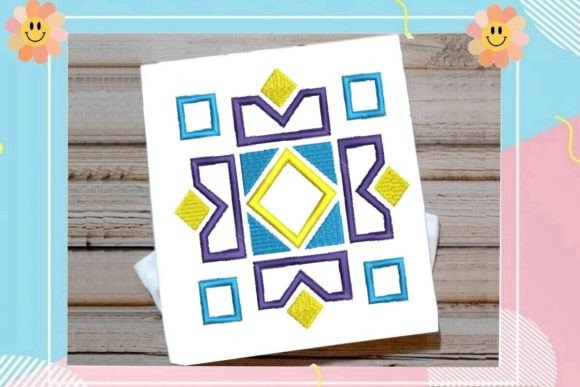
Moroccan Geometric Embroidery Delight 4 refers to a specific pattern set or design framework rooted in traditional Moroccan embroidery motifs. The "4" often indicates a particular collection or variation that emphasizes fourfold symmetry, a common structural element in Islamic geometric art. This style relies on repeating geometric shapes such as diamonds, triangles, and interlocking stars, creating a harmonious and visually engaging pattern.
Unlike freeform embroidery, which allows for improvisation, this approach demands careful planning and attention to alignment. The result is a design that feels both orderly and intricate. For many crafters, the appeal lies in the balance between structure and creativity: you follow a clear grid, yet you can choose colors, thread types, and fabric to make the piece uniquely yours.
Common Challenges with Geometric Embroidery
Embarking on a geometric embroidery project comes with its own set of obstacles. Recognizing these upfront helps you prepare and avoid frustration later.
- Precision and symmetry: Achieving exact angles and evenly spaced repeats can be difficult, especially on fabric that shifts or stretches.
- Pattern transfer: Getting the design onto your fabric accurately is a common hurdle. Freehand drawing often leads to mistakes.
- Thread tension: Inconsistent tension can distort geometric shapes, making them look uneven or skewed.
- Color choice: Selecting thread colors that complement the geometry without overwhelming the pattern requires thought.
- Fatigue and motivation: Repetitive stitching on a detailed grid can feel tedious, leading to unfinished projects.
These challenges are not reasons to avoid geometric embroidery; rather, they highlight the value of a structured approach like Moroccan Geometric Embroidery Delight 4, which provides a roadmap to navigate these issues.
How Moroccan Geometric Embroidery Delight 4 Helps Address These Challenges
The Moroccan Geometric Embroidery Delight 4 framework is designed with practical solutions built in. Here is how it helps you overcome common obstacles:
Built-in Symmetry and Guidance
The pattern set is typically organized around a clear grid system. This means you are not guessing where the next stitch should go. The fourfold symmetry acts as a natural guide, so once you establish the first quadrant, the rest follows logically. Many kits or digital patterns include marked grids that simplify alignment, reducing the risk of distortion.
Simplified Pattern Transfer
Because the designs are geometric and modular, transferring them to fabric becomes easier. You can use water-soluble stabilizers, carbon transfer paper, or even project a digital grid onto your fabric. The predictable repeats mean you only need to mark a portion of the pattern; the rest can be measured and replicated with confidence.
Thread Tension Control
Geometric patterns benefit from consistent tension because the eye easily detects irregularities. Moroccan Geometric Embroidery Delight 4 often uses a limited set of stitch types—such as straight stitches, satin stitches, or cross stitches—which are easier to control than complex, varied stitching. By focusing on one or two stitch techniques, you can hone your tension before moving to more advanced variations.
Color Palette Recommendations
Many pattern sets include suggested color combinations based on traditional Moroccan aesthetics. These palettes typically feature high-contrast pairs like cobalt blue and white, or warm tones like terracotta and gold. Having a palette removes the guesswork and helps you achieve a cohesive look from the start. If you prefer to customize, you can substitute colors while keeping the contrast ratio similar.
Motivation Through Incremental Progress
Geometric designs break naturally into sections. Completing one diamond, one star, or one row provides a tangible sense of progress. This modularity helps maintain motivation, because you can celebrate small wins along the way. Some embroiderers find it helpful to finish one full motif before moving to the next, rather than trying to stitch the entire piece at once.
Practical Applications and Outcomes
Moroccan Geometric Embroidery Delight 4 is not just about creating a single item; the skills and patterns you learn can be applied across a wide range of projects. Here are some practical uses and the outcomes you can expect.
Home Decor Embellishments
Geometric borders and medallions work beautifully on pillow covers, table runners, and wall hangings. Because the patterns are structured, they create a professional finish that complements both modern and traditional interiors. A completed pillow cover or framed hoop becomes a conversation piece and a source of personal pride.
Gift and Keepsake Items
Hand-embroidered items make meaningful gifts. A set of coasters with a matching Moroccan Geometric Embroidery Delight 4 pattern, or a small pouch with a central geometric motif, shows thoughtfulness and care. The symmetry of the pattern conveys a sense of order and intention that resonates with recipients.
Garment Accents
Adding geometric embroidery to clothing—along a sleeve hem, collar edge, or pocket—elevates a simple garment into something distinctive. Since the patterns are modular, you can stitch a small motif on a pocket or a larger border along a scarf. The key is to choose a fabric that holds stitches well, such as linen or cotton, and to use a stabilizer to prevent puckering.
Skill Building
For those looking to improve their technical skills, this style offers a structured curriculum. You practice counting threads, maintaining tension, and following a grid. These skills transfer directly to other counted-thread techniques like cross-stitch or needlepoint. Many embroiderers find that geometric work sharpens their overall precision.
Examples and Recommendations
To make the most of Moroccan Geometric Embroidery Delight 4, consider these examples and practical tips.
Example: A Diamond Medallion Wall Hanging
Choose a medium-weight linen fabric in a neutral color like ivory or light grey. Transfer the central diamond motif from the pattern set onto the fabric using a water-soluble pen. Stitch the diamond in a contrasting color such as deep burgundy or indigo, using a satin stitch for solid areas and a backstitch for outlines. Once the central motif is complete, add border rows using a simpler repeated shape, such as small triangles. Finish by hooping or framing the fabric. The result is a balanced, visually engaging wall piece that highlights the precision of the pattern.
Example: Coordinated Coaster Set
Cut four squares of even-weave cotton fabric, each 5 inches by 5 inches. Mark a 3-inch square grid on each piece. Using a single color of thread, stitch a small geometric star in the center of each coaster, following the Moroccan Geometric Embroidery Delight 4 star motif. Use a different background color for each coaster (e.g., cream, sage green, dusty rose, and charcoal) to create a set that is cohesive yet varied. This project is portable and allows you to practice the same pattern multiple times, reinforcing muscle memory.
Recommendations for Success
- Start with a small project: A coaster, bookmark, or small pouch lets you complete a pattern in a few sessions, building confidence.
- Use quality materials: Cotton or linen fabric with a tight weave holds stitches better and resists distortion. Choose embroidery floss that does not fray easily.
- Mark your grid carefully: Spend extra time on the initial layout. Accurate marking saves hours of rework later.
- Keep a reference image nearby: Print or screen the pattern and place it where you can easily glance at it. This reduces errors and speeds up stitching.
- Take breaks: Geometric work requires focus. Stepping away for a few minutes helps maintain accuracy and prevents eye strain.
How Different Users May Approach This Style
Not everyone will use Moroccan Geometric Embroidery Delight 4 in the same way. Understanding different approaches can help you find the method that suits your preferences and goals.
The Beginner
If you are new to embroidery, geometric patterns can feel intimidating. Start by practicing the basic stitches on a scrap piece of fabric before attempting the full pattern. Use a larger scale motif with fewer repeats so you can focus on technique. The clear structure of the Delight 4 set actually helps beginners, because the grid provides a scaffold that reduces guesswork. Do not worry about speed; aim for consistency in each stitch.
The Experienced Stitcher
For those with embroidery experience, Moroccan Geometric Embroidery Delight 4 offers opportunities for refinement and creativity. You might experiment with thread thickness, metallic threads, or blending colors within a single motif. You could also combine multiple pattern sets to create a larger, more complex composition. Experienced stitchers often enjoy the meditative quality of repetitive geometric work, using it as a relaxing yet engaging project.
The Project-Focused Maker
If you are motivated by the finished product, treat the embroidery as a means to an end. Choose a project that you genuinely want to use or give as a gift. Set a schedule, such as stitching for 15 minutes each evening, to maintain steady progress. The modular nature of the patterns means you can easily estimate how long each section takes, helping you plan ahead.
The Designer or Creative
You may see Moroccan Geometric Embroidery Delight 4 as a starting point rather than a strict template. Use the grid to create your own variations by rotating motifs, changing scale, or combining with other geometric elements. This approach allows you to develop a personal style while still relying on the proven structure of the pattern set.
Useful Considerations Before You Begin
Before starting your first project, take a moment to think about your workspace, tools, and materials.
- Lighting: Good lighting is essential for counted work. Natural daylight or a bright LED lamp helps you see thread colors accurately and reduces eye fatigue.
- Fabric choice: Even-weave fabrics like Aida cloth or linen are ideal because the thread count is uniform. This makes it easier to maintain equal spacing.
- Needle selection: Use a sharp tapestry needle with a large eye. A size 24 or 26 needle works well for most embroidery floss.
- Hoop or frame: A tension hoop keeps the fabric flat and prevents distortion. For larger projects, consider a scroll frame to avoid repositioning frequently.
- Pattern preservation: Keep your pattern clean and accessible. If using a digital file, print a copy and store it in a clear sleeve. If it is a printed sheet, consider laminating it for repeated use.
Final Thoughts on Using Moroccan Geometric Embroidery Delight 4
Moroccan Geometric Embroidery Delight 4 is more than just a set of patterns; it is a practical system that helps you create beautiful, symmetrical embroidery with confidence. By addressing common challenges like precision, pattern transfer, and motivation, this style makes geometric work accessible to a wide range of crafters. Whether you are embellishing your home, making gifts, or building your skills, the structured yet flexible nature of these designs allows you to achieve satisfying results. Start with a small project, focus on consistency, and enjoy the process of bringing geometric beauty to life through thread and fabric.