The Appeal of Hand Drawn Tree Skull Art: A Complete Guide
In the growing landscape of illustration and design, few motifs carry the layered symbolism of a tree merging with a skull. The Hand Drawn Tree Skull has emerged as a distinctive style that appeals to those who appreciate raw, organic artistry combined with thought-provoking imagery. Unlike mass-produced digital designs, this approach emphasizes texture, imperfection, and the artist’s direct touch. Whether you are considering a custom tattoo, wall art, or a brand emblem, understanding what makes a hand drawn tree skull unique—and how it compares with other options—can help you choose the fit that truly resonates.
Understanding the Hand Drawn Tree Skull Aesthetic
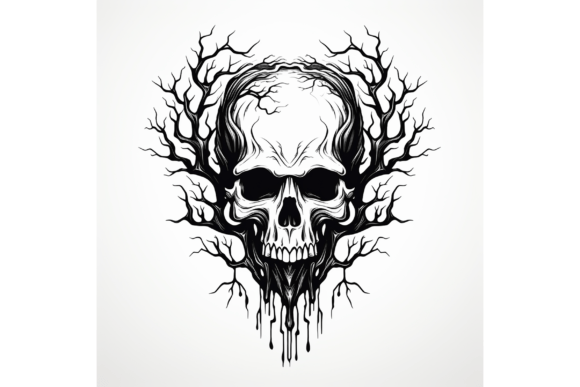
A hand drawn tree skull is exactly what the name suggests: an illustration of a skull intertwined with tree elements (branches, roots, leaves, bark) created using traditional hand-drawing techniques such as pencil, ink, charcoal, or brush. The fusion of bones and botanical forms often represents life, death, renewal, and the cycle of nature. What sets the hand drawn approach apart is the visible evidence of the human hand—slight variations in line weight, subtle smudges, and the natural flow of the medium.
This aesthetic cannot be fully replicated by a vector or a digital filter. The texture of paper, the grain of charcoal, and the artist’s instinctive strokes give each piece a one-of-a-kind character. For collectors and enthusiasts, that uniqueness is a major draw. The hand drawn tree skull is not just a picture; it is a tangible record of a creation process that cannot be exactly repeated.
How Hand Drawn Tree Skull Compares with Other Artistic Styles
When exploring tree skull imagery, you will encounter various approaches—from hyper-realistic digital renderings to minimalist geometric designs. The hand drawn style occupies a particular niche that blends traditional craftsmanship with expressive freedom. Here is how it stacks up against some common alternatives.
Hand Drawn vs. Digital Tree Skull Art
Digital tree skull illustrations offer precision, easy color adjustments, and the ability to reproduce identical copies. They are ideal for merchandise, branding, or any project requiring consistent output. However, digital work can sometimes feel sterile or “too perfect.” A hand drawn tree skull, by contrast, carries an organic warmth and spontaneity that many find more emotionally engaging. The tradeoff is that hand drawn originals are time-consuming to produce and difficult to exactly duplicate, which may matter if you need multiple identical images.
- Strengths of hand drawn: unique texture, human touch, no risk of generic look, one-of-a-kind value.
- Strengths of digital: flawless symmetry, easy editing, scalable for various uses, faster turnaround for edits.
- Best fit for hand drawn: personal artwork, limited edition prints, tattoos, intimate wall pieces.
- Best fit for digital: web graphics, product packaging, mass production, when exact replication is needed.
Realistic vs. Stylized Hand Drawn Tree Skull Interpretations
Even within the hand drawn sphere, the level of realism varies greatly. Some artists produce meticulously detailed, anatomically correct skulls entwined with botanically accurate branches. Others use loose, sketchy lines, abstract forms, or a woodcut-like aesthetic. Your choice between realistic and stylized depends on the mood you want to convey. A realistic hand drawn tree skull can evoke a somber, reflective tone, while a stylized version might feel more mystical or symbolic. Neither is inherently better; the deciding factor is how the artwork fits into its intended environment or personal meaning.
For example, a realistic hand drawn tree skull in charcoal might be perfect for a dimly lit study, whereas a bold ink-drawn stylized design works better as a high-contrast tattoo that ages well. Consider both the visual impact and the practical constraints of the medium when deciding.
When to Choose Hand Drawn Tree Skull Over Alternatives
Selecting the hand drawn route is rarely about convenience—it is about intentionality. Choose a hand drawn tree skull when you value the artist’s personal interpretation and want a piece that feels alive with the artist’s energy. Because each stroke is deliberate and cannot be undone, the final artwork carries a sense of commitment that digital art sometimes lacks.
Situations that favor hand drawn tree skull art include:
- Custom tattoos: Many tattoo artists prefer working from hand drawn references because they align more naturally with needle work and skin texture.
- One-of-a-kind gifts or heirlooms: A hand drawn original carries sentimental weight that prints cannot match.
- Art exhibitions or portfolios: Galleries and collectors often prize hand drawn works for their authenticity and process.
- Personal meditation on mortality and nature: The act of drawing by hand can deepen the conceptual message of life and decay.
On the other hand, if you need multiple formats (T-shirts, phone cases, etc.) with a consistent image, or if your budget is tight and requires quick revisions, a digital approach might serve better. The hand drawn tree skull is a commitment to a slower, more deliberate creative process—something worth embracing when the result matters more than the turnaround time.
Key Considerations Before Commissioning or Creating a Hand Drawn Tree Skull
Before you decide to obtain or create a hand drawn tree skull, think through a few practical factors. These considerations can save time, money, and disappointment.
- Artist expertise: Not every illustrator excels at both botanical elements and skull anatomy. Look for a portfolio that demonstrates understanding of bone structure, plant forms, and the specific interplay you want. The quality of a hand drawn tree skull depends heavily on the artist’s ability to fuse two complex subjects naturally.
- Medium and size: Pencil, ink, charcoal, or mixed media each produce different textures. Larger pieces allow more detail but require more time. Discuss with your artist what medium aligns with your desired aesthetic (e.g., ink for bold lines, graphite for subtle shading).
- Use and durability: If the art is for a tattoo, the design must account for skin movement and ink spread over time. Hand drawn sketches often need adaptation to become tattoo-ready. For framed display, consider UV protection and framing that complements the organic feel.
- Revisions and reproduction: Hand drawn works are harder to revise after completion. Make sure you and the artist have a clear brief upfront. If you plan to reproduce the image (e.g., as a print), discuss whether the original will be scanned and how you will handle rights.
- Budget and timeline: Hand drawn pieces take longer than digital mockups. Custom work can range from a few hours to several days. Expect to pay more for expertise and originality. Rushing the process may compromise the quality of the hand drawn tree skull.
Strengths and Tradeoffs of the Hand Drawn Tree Skull Approach
The strengths of a hand drawn tree skull are rooted in its authenticity and expressiveness. Each line tells a story; the pressure of the hand, the direction of the stroke, and even the artist’s hesitation contribute to the final feel. This style can capture the raw energy of a skull intertwined with living branches in a way that feels almost organic itself. For many, that human touch justifies the extra cost and wait time.
However, the tradeoffs are real. Hand drawn art is less forgiving of mistakes. If a line goes wrong, the entire piece may need restart or significant adjustment. This limits the ability to experiment cheaply. Additionally, because each hand drawn tree skull is unique, you cannot simply replicate it if you later want another version. And if the artwork is intended for commercial use requiring high-volume reproduction, the hand drawn path may not provide the cleanest vector source.
Another limitation is the range of colors. While hand drawn works can incorporate color through watercolor, colored pencil, or pastel, the palette is often more limited and harder to control than digital color grading. If you need vivid, consistent colors across different applications, digital might be more reliable. Yet the subtle, imperfect tones of a hand drawn tree skull can be exactly what gives it character.
Making the Right Choice for Your Project or Collection
Deciding on a hand drawn tree skull ultimately comes down to what you are trying to express and how you plan to use the image. If your goal is to own a piece of art that feels personal, imperfect, and deeply connected to the artist’s hand, then the hand drawn approach is almost certainly right for you. It will stand out from the flood of slick digital designs and offer a tactile authenticity that resonates with many viewers.
If your main needs are scalability, quick turnaround, or a consistent brand image across many products, consider a hybrid route: commission a hand drawn tree skull as the conceptual foundation, then have it professionally digitized and refined. This way you get the organic spark of the hand drawn original along with the practical benefits of digital editing for reproduction. Many illustrators offer this as a service, combining the best of both worlds without sacrificing the handmade feel.
For those who are artists themselves, exploring the hand drawn tree skull as a personal project can be deeply rewarding. The process forces you to slow down, observe the interplay of bone and bark, and develop a steady hand. Even if the final piece is not perfect, the experience of creating it by hand can deepen your understanding of both anatomy and botanical drawing.
Remember that no single approach is universally superior. The hand drawn tree skull excels where individuality, texture, and emotional connection matter most. It is a choice that prioritizes the unique over the uniform, the crafted over the manufactured. By weighing the strengths, tradeoffs, and practical considerations outlined here, you can select the path that brings your vision to life in the most meaningful way possible.