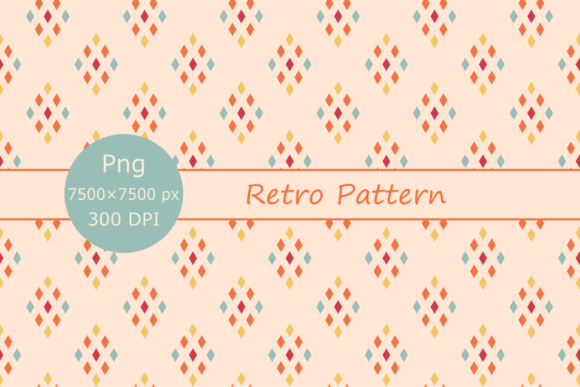
The Enduring Appeal of Retro Pattern in Modern Design
In an era of hyper-digital minimalism and fast-paced trend cycles, the resurgence of retro pattern in contemporary design speaks to a deeper human yearning for familiarity, warmth, and tactile memory. Whether it's the geometric opulence of 1960s wallpaper, the pixelated grids of 1980s video games, or the fluid psychedelia of the 1970s, these visual languages are being re-embraced across industries. This article explores why retro pattern continues to captivate audiences, how it manifests in practical applications, and what designers, brands, and creators should consider when integrating it into modern workflows.
Rather than being a mere stylistic cliché, the retro pattern archetype offers a rich framework for storytelling, emotional engagement, and differentiation in a crowded visual landscape. By examining its characteristics, advantages, and real-world use cases, we gain a clearer understanding of its lasting relevance.
Why Retro Patterns Resonate Across Generations
Human beings are wired to find comfort in the familiar, yet we also crave novelty. A retro pattern bridges this gap beautifully. It evokes collective memories—of a grandmother's kitchen tiles, an arcade carpet, or a vintage concert poster—without being a direct copy of the past. Instead, it reinterprets those visual codes through a contemporary lens.
For younger audiences, retro patterns feel fresh and exotic precisely because they are not of their time. This cross-generational appeal makes them a powerful tool for brands aiming to attract both nostalgic older users and curious younger ones. Psychologically, these patterns can trigger feelings of trust, safety, and joy, especially when associated with positive cultural touchstones like mid-century optimism or the rebellious energy of 80s pop culture.
Key Characteristics of Retro Pattern Aesthetics
What exactly defines a retro pattern? While the answer varies by decade and medium, several common threads run through most retro-inspired works:
- Distinct color palettes: Muted earth tones, pastels, or high-contrast neon combinations typical of specific eras (e.g., avocado green and harvest gold for the 70s; hot pink and electric blue for the 80s).
- Repetitive geometric shapes: Circles, stripes, chevrons, and tessellations that create a hypnotic rhythm.
- Hand-drawn or low-resolution textures: The visible grain of risograph prints, the grit of film, or the blocky pixels of early computer graphics.
- Framed or bordered layouts: Patterns often appear within defined boundaries—like a woven tapestry, a TV screen, or a Polaroid frame—adding a layer of self-aware spatial framing.
- Asymmetry and kaleidoscopic effects: Especially in psychedelic patterns, radial symmetry and fractal-like repetition create a sense of visual depth and motion.
These characteristics are not merely decorative; they serve functional roles in guiding the eye, establishing hierarchy, and evoking specific moods. For instance, a tightly packed retro pattern of mini checks can suggest order and reliability, while a looser, swirling design suggests creativity and freedom.
Practical Applications in Digital and Physical Design
The versatility of retro pattern is one of its strongest assets. It is equally at home on a screen, a fabric, a wall, or a product package. Here are some of the most compelling use cases observed in recent years:
Branding and Identity
Startups and heritage brands alike use retro patterns to build instant recognition. A tech company might use a pixelated grid pattern to nod to early computing, signaling both innovation and authenticity. A craft brewery often employs vintage pattern motifs—like hop vines woven into classic wallpaper prints—to tell a story of traditional brewing with a quirky twist. The key is subtlety: an overused retro pattern can feel costumy, but when integrated into a logo secondary visual or a website background, it becomes a signature element.
User Interface and Web Design
Flat design has dominated UI for years, but a growing number of websites are layering in retro pattern textures to warm up sterile digital spaces. Cross-stitch-like backgrounds, patterned dividers, and CSS-generated repeating shapes (inspired by 80s arcade cabinets) add tactile depth without sacrificing responsiveness. This approach is particularly popular in digital magazines, portfolio sites for illustrators, and e-commerce stores selling handmade or vintage-style goods. The patterns help slow down the user's scan path, encouraging deeper engagement with content.
Product Packaging and Print
On physical shelves, a retro pattern on a box or label can stop a shopper mid-step. Consider the success of brands like Modern Retro (hypothetical example) that use repetitive floral or geometric motifs on tea tins, soap wrappers, and stationery. These patterns create a sense of heft, craftsmanship, and nostalgia that flat, minimalist packaging often lacks. Print applications also extend to textiles, upholstery, and fashion prints, where mid-century motifs are currently enjoying a strong revival in home decor and streetwear.
Environmental and Interior Design
Retro patterns are a favorite of interior designers aiming for a cohesive vintage vibe. From terrazzo flooring with speckled patterns to embossed wallpaper mimicking 1920s Art Deco, these elements define the atmosphere of a space. Even modern minimalist spaces often include one bold retro pattern accent wall or a rug with a repeating atomic-age starburst design, providing a visual anchor and a conversation piece.
User Perspectives and Emotional Engagement
Understanding why audiences gravitate toward retro patterns is crucial for creators. Research suggests that nostalgia-driven design can increase perceived value, trust, and even purchase intent. However, this is not a one-size-fits-all effect. The reception of a retro pattern depends heavily on the user's personal history and the pattern's execution.
For example, a 70s-inspired groovy pattern might resonate deeply with Baby Boomers who lived through that era, but could seem tacky or dated to Gen Z if not updated with a modern palette or layout. Conversely, an 8-bit pixel pattern can thrill Millennials who grew up with early video games, but feel irrelevant to a younger audience accustomed to ultra-high-definition visuals. The most successful uses of retro pattern treat the aesthetic as a design language rather than a copy-paste artifact—they extract the spirit of the pattern (its repetition, color logic, or texture) and apply it with contemporary restraint.
Balancing Nostalgia with Innovation
The greatest pitfall of using retro patterns is falling into pastiche. A design that simply mimics a past era without adding a new twist can feel lazy or inauthentic. To avoid this, consider the following guidelines:
- Context matters: Match the pattern style to the brand's narrative. A 1950s diner pattern would be perfect for a retro burger joint but confusing for a cloud computing service.
- Scale and repetition: Digital allows for micro-repetitions that physical design doesn't. Use CSS transforms to scale, rotate, and animate old motifs in a way that feels new.
- Combine with modern elements: Pair a vintage pattern with a modern sans-serif font or a flat color block to create tension and interest.
- Accessibility: Ensure that retro color schemes (like low-contrast pastels or high-glare neons) still meet contrast and readability standards.
- Cultural sensitivity: Be mindful of patterns that might carry unintended cultural or political meanings from their original era.
When done well, the result is a design that feels both timeless and current—a retro pattern that is not stuck in the past, but rather a conversation with it.
Observations from Creators and Makers
Independent artists, small business owners, and educators have been particularly vocal about the benefits of working with retro patterns. Print-on-demand creators report that products featuring retro pattern designs often outperform minimalist alternatives in categories like home decor, notebooks, and phone cases. The reason, many suggest, is that these patterns offer a sense of story—they imply a history, a craft, and a personality that generic designs lack.
One illustration teacher observed that students working with mid-century pattern elements tend to make faster progress in understanding color theory and composition because these patterns force decisions about rhythm, balance, and repetition. In that sense, retro pattern serves not only as a visual tool but as an educational scaffold.
Business owners, particularly in cafes, boutiques, and co-working spaces, use retro pattern on walls, menus, and merchandise to forge an immediate emotional connection with visitors. The pattern becomes part of the brand's identity, a silent storyteller that sets the mood before a single word is read.
Considerations for Different Audiences
Different stakeholders approach retro patterns with distinct priorities. Below is a quick overview of how various groups can leverage this aesthetic effectively:
- Professionals should treat pattern selection as a strategic decision tied to brand positioning and audience research—not just a decoration.
- Creators can use vintage motifs as a springboard for original work, remixing elements to develop a signature style.
- Educators find that retro pattern exercises teach foundational design principles (rhythm, repetition, contrast) in a relatable, culturally rich context.
- Hobbyists enjoy the accessibility: many retro patterns can be recreated with basic tools like graph paper or simple vector software.
- Consumers can learn to identify pattern eras and attributes, enhancing their appreciation for vintage design in everyday products.
The Future of Retro Pattern
As we move further into the 2020s, the retro pattern shows no signs of fading. In fact, the rise of generative AI and design tools has made it easier than ever to create original patterns that blend multiple decades. The remix culture encourages creators to pull from Art Deco, Memphis Design, and Y2K aesthetics all in one composition. The challenge and opportunity lie in doing so with intention—ensuring that each pattern serves a narrative and perceptual purpose.
In a visually saturated world, patterns that carry emotional weight—that feel like they have been lived with or loved—will always stand out. The retro pattern, in its many forms, delivers exactly that: a visual embrace of history, handcraft, and human touch.