The Floral Motif as a Living Design Language: Resonance, Adaptation, and Craft
Few visual elements carry as much layered meaning as the floral motif. It appears on ancient pottery, medieval tapestries, contemporary fashion runways, and the interfaces of mobile apps. Its persistence across millennia is not accidental. The floral motif bridges the organic and the constructed, the personal and the universal. Understanding how it functions across different contexts—and what makes it effective or ineffective in each—offers practical insight for anyone who works with visual communication, product design, branding, or creative direction.
Why the Floral Motif Resonates Beyond Decoration
The immediate response to a floral motif is often emotional rather than intellectual. A stylized rose can evoke nostalgia, romance, or even melancholy depending on its rendering. A geometric lotus might signal spiritual clarity or cultural heritage. This emotional shorthand is one reason the floral motif remains a staple in industries ranging from hospitality to healthcare. It communicates something about atmosphere before a single word is read or a product is used.
From a neurological perspective, the human brain is wired to recognize and respond to natural forms. The floral motif taps into this predisposition, offering a sense of familiarity even when the pattern is abstract or highly stylized. Designers and marketers who leverage this can create environments and products that feel welcoming without requiring conscious effort from the audience. The floral motif, in this sense, is not merely decorative—it is a tool for emotional orientation.
How the Floral Motif Behaves Across Different Mediums
One of the most overlooked aspects of working with the floral motif is how its appearance and effect change depending on the medium. A pattern that looks delicate and airy on a digital screen may feel heavy and cluttered when printed on fabric. Conversely, a bold floral motif that works beautifully on a ceramic tile might read as overwhelming on a wallpaper expanse.
- Textiles and fashion: The floral motif on fabric must account for drape, scale, and repeat. A large-scale floral motif on a flowing dress can create an organic, painterly effect. The same motif on a structured blazer may feel static or awkward. Designers often adjust the density and orientation of the floral motif based on how the garment moves.
- Digital interfaces: In UI and web design, the floral motif is typically used sparingly—as a background texture, a micro-interaction, or an iconographic element. Overuse can distract from functionality. The floral motif here works best when it supports hierarchy rather than competes with it.
- Architecture and interiors: Here the floral motif can define entire spaces. A subtle floral motif in a lobby wallpaper sets a tone of understated elegance, while a bold, repetitive floral motif in a boutique hotel room can become a signature visual identity. Lighting and scale are critical: a floral motif that reads clearly in daylight may lose definition under warm accent lighting.
- Packaging and branding: The floral motif on packaging often signals natural ingredients, artisanal processes, or heritage. A minimalist floral motif can suggest modern organic care, while an intricate, multicolored floral motif may evoke Victorian or vintage sensibilities. Consistency across a product line is essential—the floral motif should feel like a deliberate system, not an afterthought.
Practical Considerations for Selecting and Applying a Floral Motif
Whether you are a creator developing a pattern library, a business owner choosing branding elements, or an educator explaining visual literacy, a few principles can guide effective use of the floral motif.
Scale and Repetition
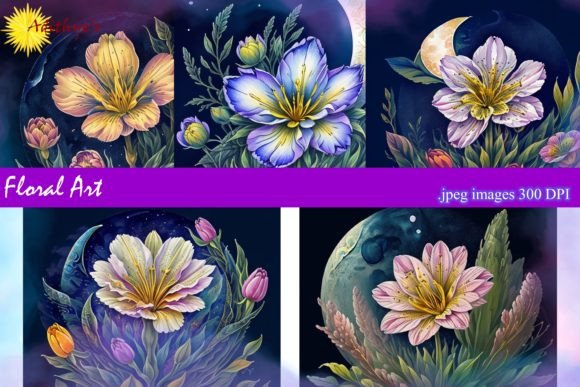
The size of the floral motif relative to its surface area dramatically changes perception. A small, repeating floral motif creates texture and rhythm. It reads as a background element. A single, oversized floral motif becomes a focal point, almost a character in the composition. Mixing scales within a single design can create depth, but it requires careful balancing so that no single element overwhelms the others.
Color Psychology and Context
The same floral motif rendered in pastel tones versus high-contrast primary colors communicates entirely different values. Soft pinks and creams suggest gentleness, tradition, or femininity. Deep jewel tones—emerald, sapphire, burgundy—convey richness and drama. Monochromatic or neutral floral motifs can feel modern and architectural. When choosing a color palette for a floral motif, consider both the brand identity and the environment where the design will live. A floral motif that works in a sunlit retail space may feel harsh in a dimly lit restaurant.
Cultural Sensitivity and Meaning
Not all floral motifs carry the same associations across cultures. The lotus, for example, holds deep spiritual significance in many Eastern traditions and should be used with respect and understanding. The rose, while nearly universal in symbolizing love, has specific connotations in different regions—white roses for mourning in some cultures, celebration in others. When the floral motif is used in global branding or product lines, research into regional symbolism is not optional; it is essential for avoiding miscommunication or offense.
The Floral Motif in Business Strategy and Branding
Business owners and marketers often ask whether the floral motif is too traditional or too gendered for certain audiences. The answer depends entirely on execution. A floral motif rendered in clean lines, geometric repetition, and restrained color can feel contemporary and unisex. Brands in skincare, home goods, hospitality, and even technology have successfully used floral motifs to signal attention to detail, natural inspiration, or human-centered design.
Consider a luxury hotel chain that uses a signature floral motif across linens, stationery, and digital touchpoints. The floral motif becomes a thread of continuity that guests recognize and associate with a specific quality of experience. For a small business, a well-chosen floral motif on packaging can differentiate a product on a crowded shelf without the need for elaborate copy. The floral motif does the work of communicating elegance, care, or natural origin visually.
One practical approach for businesses is to develop a floral motif that is proprietary. Commissioning an original floral motif—rather than using stock patterns—creates a visual asset that cannot be replicated by competitors. This floral motif then appears across all customer touchpoints, building recognition and brand equity over time.
Seasonal and Trend Considerations for the Floral Motif
The floral motif is not static. It evolves with design trends, seasonal preferences, and cultural shifts. In recent years, there has been a move toward abstract and deconstructed floral motifs—patterns that suggest petals and leaves without literal representation. These feel fresh and contemporary while still carrying the organic resonance of the floral motif.
Seasonality also plays a role. A floral motif associated with spring may feel out of place in autumn packaging unless the color palette is adjusted. Savvy designers and retailers rotate floral motif applications to align with seasonal moods: light, airy florals for warmer months and richer, darker floral motifs for fall and winter. This rotation keeps the floral motif feeling timely rather than dated.
Observations on the Future of the Floral Motif
As generative design tools and AI-assisted pattern creation become more accessible, the floral motif is entering a new phase of customization. Brands can now generate thousands of variations of a single floral motif, each slightly different, allowing for personalized products at scale. This hyper-personalization of the floral motif offers exciting possibilities for consumer engagement, but it also raises questions about consistency and brand recognition. A floral motif that changes too much may lose its identity as a signature element.
Sustainability is another lens through which the floral motif is being reconsidered. Designers are increasingly drawing from local flora and native plants rather than generic or exotic blooms. This not only reduces the visual cliché of the floral motif but also aligns with environmental values. A floral motif based on regional wildflowers or indigenous plants tells a story of place and ecological awareness. For businesses and creators, this approach can differentiate the floral motif as meaningful rather than merely ornamental.
Bringing It All Together: The Floral Motif as a Strategic Element
The floral motif is far more than a decorative afterthought. It is a communication tool, a cultural signifier, a psychological trigger, and a branding asset. Whether you are a hobbyist experimenting with pattern design, a researcher studying visual communication, or a business owner refining your brand identity, the floral motif rewards intentionality. Scale, color, medium, repetition, and cultural context all shape how the floral motif is received. The most effective uses of the floral motif are those that feel inevitable—as if the design could not exist without it.
When approached with thoughtfulness, the floral motif transcends trend. It becomes a living element that adapts to its environment while retaining its essential character. That adaptability, combined with its deep resonance across human experience, ensures the floral motif will remain a relevant and powerful tool for creators and communicators of all kinds.