Using Watercolor Wildflower Free Clipart with Intention and Purpose
At first glance, watercolor wildflower free clipart might seem like a simple decorative asset—something to fill space on a page or add a touch of color to a social media post. But when you step back and consider the broader picture, these small visual elements can serve a much more strategic role in your work. The key lies not in the clipart itself, but in how you choose to use it, why you select it, and what you hope to communicate through it. Whether you are building a brand identity, designing educational materials, or creating content for your audience, watercolor wildflower free clipart offers a flexible, low-cost visual tool that, when approached thoughtfully, can support real outcomes.
Understanding What Watercolor Wildflower Free Clipart Actually Offers
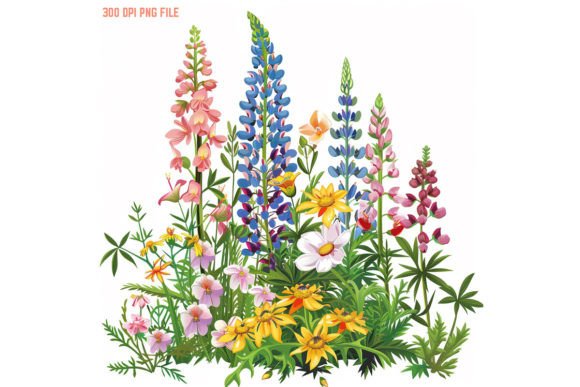
Watercolor wildflower free clipart refers to digitally rendered or scanned illustrations of wildflowers, painted in a watercolor style and made available at no cost. These assets typically come in PNG, SVG, or transparent background formats, allowing you to drop them directly into designs without additional editing. The visual appeal lies in the soft, organic texture of watercolor—often featuring muted tones, irregular edges, and a handcrafted feel that sets them apart from rigid, vector-based icons or overly polished stock photography.
What makes this type of clipart strategically useful is its ability to convey warmth, authenticity, and approachability. In a landscape where audiences are increasingly skeptical of overly corporate or generic visuals, watercolor wildflower clipart can help you signal that your brand or project values nuance, craftsmanship, and natural beauty. This is not a tool for every context, but when aligned with your message, it can differentiate your work in a crowded field.
Aligning Visual Assets with Your Goals and Positioning
Before you download any file, it is worth asking yourself what outcome you are trying to achieve. If your goal is to build a brand that feels grounded, gentle, or connected to nature—perhaps you run a wellness blog, a botanical skincare line, or an independent publishing house—then watercolor wildflower free clipart can reinforce that positioning without requiring a large design budget. The visual language of wildflowers suggests growth, imperfection, and resilience, which can subtly communicate values that matter to your audience.
If your focus is on education, such as creating worksheets, classroom decor, or digital course materials, wildflower clipart can support learning by making information more inviting. Research consistently shows that well-chosen visuals improve retention and engagement. The key is to select clipart that complements the content rather than distracting from it. A delicate wildflower border around a poetry exercise or a hand-drawn floral accent on a nature study guide adds context and visual rhythm without overwhelming the learner.
For entrepreneurs and small business owners, the strategic use of watercolor wildflower clipart can also extend to customer experience. A thank-you card, a packaging insert, or a social media graphic that incorporates these elements can create a sense of care and personal attention. In an era where automation often dominates customer interactions, a small visual detail can be the difference between a transaction and a connection.
Practical Use Cases That Go Beyond Decoration
One of the most effective ways to use watercolor wildflower free clipart is in seasonal or thematic content. If you run a blog about sustainable living, for example, a wildflower graphic alongside a post about pollinator-friendly gardening reinforces the topic visually and helps readers immediately associate the post with the subject. This kind of visual cue supports scanning and comprehension, especially when readers are browsing quickly.
Another thoughtful application is in branding elements such as logos, website headers, or email signatures. While you would not want to rely entirely on free clipart for a logo that needs to last years, you can use it as a placeholder while testing visual directions or as a secondary accent that adds character to your correspondence. Many creators have built cohesive visual identities around curated sets of watercolor clipart, pairing it with consistent typography and color palettes to create a unified look.
Watercolor wildflower free clipart also works well in presentation decks, especially for internal team meetings or client proposals where you want to convey creativity and human-centered thinking. A subtle floral accent on a slide about company culture or community impact can soften the tone and make the message more memorable. The risk, of course, is overusing it—one or two intentional placements per deck is usually enough to achieve the effect without veering into distraction.
What to Consider Before Relying on Free Clipart
There are practical considerations that deserve your attention before you embed watercolor wildflower clipart into a project that matters. The first is licensing. Just because clipart is labeled "free" does not mean it is free for commercial use. Some creators offer assets under Creative Commons licenses that require attribution, while others allow unrestricted use. If you are designing for a business, a paid product, or a client, verify the license terms explicitly. Skipping this step can lead to legal complications or force you to redo work later.
Resolution and file quality also matter. Free clipart often comes in lower resolutions, which may look fine on a screen but appear pixelated when printed. If you plan to use the clipart on physical products like stickers, stationery, or packaging, check the file dimensions and consider testing a small print run before committing. Similarly, transparent backgrounds can sometimes have rough edges or leftover pixels that require cleanup in an image editor.
Another consideration is uniqueness. Because watercolor wildflower free clipart is widely available, you risk using the same graphic that hundreds of other creators have already used. If your goal is to stand out, consider modifying the clipart—changing the color palette, combining elements, or layering it with other textures—to create something that feels more original. Even a small adjustment can make the difference between a generic design and one that feels intentionally yours.
Risks of Using Clipart Without Clear Context
The most common mistake is treating watercolor wildflower free clipart as a default filler rather than a deliberate choice. When visuals are added without consideration for the message, audience, or brand voice, they can dilute your communication rather than strengthen it. A wildflower graphic on a page about financial planning, for example, may confuse viewers unless there is a clear thematic reason for its presence. Similarly, using multiple styles of clipart in the same project can create visual noise and make your materials feel disjointed.
There is also the risk of undermining credibility. If your audience perceives that you used low-effort or overly common clipart, they may subconsciously question the professionalism of your work. This is especially relevant for consultants, coaches, and service providers who rely on trust and authority. That does not mean you should avoid clipart altogether—it means you should choose it carefully, use it sparingly, and integrate it into a broader visual system that reflects intentionality.
How to Use Watercolor Wildflower Clipart with Strategy and Discipline
Start by defining the role the clipart will play in your project. Is it a primary visual, a supporting accent, or a background element? Knowing this helps you decide how much to use and where to place it. For example, if you are designing a product label, the clipart might serve as the main visual focus, so you would want a high-resolution file with strong composition. If you are adding it to a blog post, a small floral divider between sections may be all you need.
Next, limit your palette. Watercolor wildflower clipart naturally comes in a range of colors, but using every color available can create chaos. Choose two or three hues that align with your brand or project theme, and stick to those. This constraint actually increases visual impact because it creates harmony and makes the clipart feel curated rather than random.
Also consider the emotional tone of the clipart you select. Some watercolor wildflowers are soft and faded, evoking nostalgia and calm. Others are bright and vivid, suggesting energy and growth. Match the tone to the purpose of your content. A soft, muted wildflower works well for a reflective journal prompt or a meditation guide, while a more vibrant bloom might better suit a call to action or a celebration post.
Long-Term Value and Building a Visual Library
Over time, you can build a personal library of watercolor wildflower free clipart that you have vetted, organized, and adapted for your needs. This saves you the effort of searching for new assets every time you create content and ensures consistency across your materials. Tag your files by color, theme, and intended use so you can quickly find what you need without distraction.
If you find yourself frequently relying on the same type of clipart, consider investing in a paid set from an independent artist whose style matches your vision. Paid assets often come with clearer licensing, higher resolution, and more unique designs. Supporting creators also ensures that high-quality clipart continues to be available for those who use it thoughtfully.
Ultimately, watercolor wildflower free clipart is what you make of it. Used without direction, it is just decoration. Used with intention, it becomes a tool for communication, differentiation, and connection. The creators and brands that get the most out of these assets are not necessarily the ones with the largest collections, but the ones who understand when to use them, why to use them, and how to integrate them into a larger strategy that serves their audience and their goals.