Create Your Own Receipt Template: A Complete Guide to Customized Transactions
Whether you're selling handmade crafts at a weekend market, billing a client for freelance work, or simply splitting expenses with a roommate, a professional receipt can make all the difference. A well-designed receipt not only serves as proof of purchase but also reinforces trust and credibility. That's where the ability to create your own receipt template becomes a game-changer. Instead of relying on generic, one-size-fits-all forms, you can tailor every line to your exact needs—adding your logo, adjusting tax fields, or including personalized notes. In this article, you'll discover what a create-your-own receipt template is, why it matters, and how you can use it to simplify your transactions.
Why Custom Receipts Matter
Most people think of a receipt as a simple piece of paper—a date, a total, maybe a signature. But in reality, a receipt is often the last impression a customer has of a transaction. A messy or incomplete receipt can raise doubts, while a clean, branded receipt signals professionalism. When you create your own receipt template, you take control of that impression. You decide which details appear, how they're organized, and what tone your business strikes. For small business owners, freelancers, and even individuals, this level of customization can prevent disputes, simplify bookkeeping, and even help with tax preparation.
What Is a Create Your Own Receipt Template?
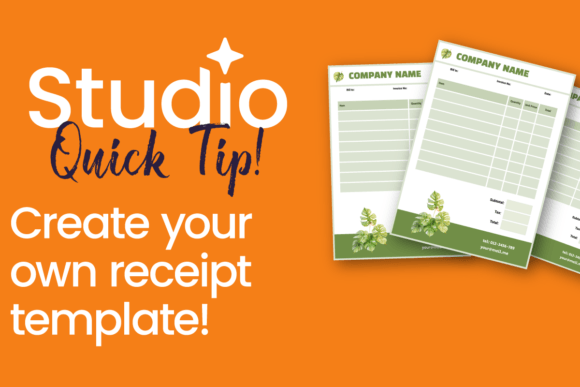
At its core, a create your own receipt template is a flexible document framework that you can adapt to generate receipts for any transaction. Unlike pre-printed receipt books or static PDFs, these templates allow you to add, remove, or rearrange fields. They often come in formats like Word, Excel, Google Docs, or even online builders. The key is that nothing is locked—you can change the header, add line items for products or services, include payment methods, and set your own numbering system. Some templates even include dynamic features like auto-calculation of totals, tax, and discounts. The goal is to give you a reusable starting point that still feels unique to your brand.
Key Features to Look For
Not all receipt templates are created equal. When you decide to create your own receipt template, you'll want certain capabilities to ensure it meets your needs. Here are the most important features to consider:
- Customizable branding: Space for your logo, business name, address, and contact information.
- Flexible line items: The ability to add unlimited products, services, quantities, unit prices, and subtotals.
- Automatic calculations: Formulas that compute totals, taxes, discounts, and net amounts (especially valuable in spreadsheet templates).
- Invoice numbering: Sequential or manual receipt numbers to keep records organized.
- Payment details: Fields for payment method, date paid, check number, or transaction ID.
- Terms and conditions: A section for return policies, warranty information, or additional notes.
- Signature lines: Both customer and merchant signatures for formal acknowledgment.
- Print-friendly or digital-ready: Layout that works either on paper or as a PDF attachment.
Selecting a template with these options ensures you can create your own receipt template that looks professional and functions exactly as you need.
Real-World Scenarios
The versatility of a custom receipt template means it applies to countless situations. Below are a few common use cases where creating your own template proves especially valuable.
Freelancers and Independent Contractors
Imagine you're a graphic designer who just completed a logo project for a client. Instead of sending a plain email with a total, you can create your own receipt template that includes your portfolio website, a breakdown of hours, and a clear "paid in full" statement. This not only confirms the transaction but also leaves a professional aftertaste. Freelancers often need to track expenses for tax deductions, and a customized template with separate fields for materials, labor, and taxes makes accounting much simpler.
Small Retail and Service Businesses
Boutique owners, coffee shop operators, or mobile pet groomers can benefit from a branded receipt that lists each item or service purchased. By using a create your own receipt template, you can include a "thank you" message or a discount code for a future visit—a small touch that builds customer loyalty. You can also add fields for customer contact information to build an email list for marketing.
Personal Transactions and Shared Expenses
Received money from a friend for splitting a dinner bill? Rented out your vacation home for a weekend? A receipt might feel overly formal, but it can prevent misunderstandings. When you create your own receipt template for personal use, you can strip away business jargon and keep it simple: date, amount, description, and signatures. It's a lightweight way to keep your personal finances organized.
Event Organizers and Fundraisers
Running a charity bake sale or a community sports event? Receipts are essential for donors and participants who need documentation for tax purposes. A custom template allows you to add fields for donation type, sponsorship levels, or ticket categories. Quick to fill, easy to print, and fully editable each time you run an event.
Step-by-Step: How to Use a Receipt Template
If you've never created your own receipt from a template, the process is straightforward. Follow these steps to get started:
- Choose your platform. Decide whether you want a document-based template (Word, Google Docs) or a spreadsheet (Excel, Google Sheets). Spreadsheets are better for automatic calculations; documents are easier to design visually.
- Select a base template. Search for "create your own receipt template" on template sites or within your software. Download a free or paid version that includes the fields you need.
- Customize the branding. Replace placeholder text with your business name, logo (if applicable), address, and phone number. Adjust colors and fonts to match your brand.
- Set up calculations. If using a spreadsheet, verify that formulas for subtotal, tax, and total are correct. For Word, use table formulas or simply leave blank spaces for manual entry.
- Add optional fields. Include any extras like a customer note section, warranty terms, or a barcode area if needed.
- Test your template. Fill in a sample transaction. Make sure all fields display properly and that totals add up. Print a test copy or save as PDF to check layout.
- Save as master. Keep a clean, unedited version as your master template. Make copies for each transaction to avoid accidentally overwriting the original.
Once you've created your first one, you'll see how easy it is to create your own receipt template again for different purposes—just duplicate and tweak.
Limitations and Considerations
While the ability to customize a receipt is powerful, there are a few practical limitations to keep in mind. First, if you rely on manual data entry, you may introduce errors. It's wise to double-check totals, especially when dealing with multiple line items. Second, create your own receipt template often lacks the automated record-keeping of dedicated invoicing software. You have to manually file and organize each receipt unless you integrate with a cloud system. Third, legal requirements vary by region—some jurisdictions mandate specific wording, tax breakdowns, or receipt numbering. Always verify that your template complies with local tax laws. Finally, if you need to process payments directly (credit cards or online gateways), a simple template won't handle that; you'll need a payment processor or software integration. Despite these points, for the majority of everyday transactions, a custom template is perfectly adequate and often preferable.
Choosing the Right Format
Your choice of format depends largely on how you intend to issue receipts. For face-to-face sales, a printable template that fits a standard receipt roll or A5 paper is ideal. For online sales, a digital PDF is better. You can create your own receipt template in a format that auto-saves as a PDF when printed. Spreadsheets work well if you need to generate multiple receipts quickly, but they require a bit of setup. If you prefer a drag-and-drop approach, online tools that let you design and download templates are also available. Whichever route you take, ensure the template is responsive and legible on both screen and paper.
Final Thoughts
Creating your own receipt template isn't just about saving money—it's about building a system that works for your specific transactions. Whether you're a freelancer wanting a polished invoice, a small business owner aiming for brand consistency, or an individual keeping personal records, a customizable receipt puts you in command. Start with a simple layout, then iterate as your needs grow. By learning to create your own receipt template, you not only streamline your recordkeeping but also project a level of professionalism that customers notice and appreciate. Give it a try with your next sale or payment, and see the difference a personalized receipt can make.