Monstera Leaf: A Practical Evaluation for Plant Enthusiasts
When people begin researching indoor plants, the Monstera leaf almost inevitably enters the conversation. Its distinctive split foliage and imposing presence have made it a staple in homes, offices, and social media feeds alike. But beyond its photogenic reputation, the Monstera leaf represents a specific set of practical considerations that every potential owner should weigh. This article evaluates the Monstera leaf from a decision-oriented perspective, helping you determine whether this plant aligns with your environment, lifestyle, and expectations.
What Is the Monstera Leaf?
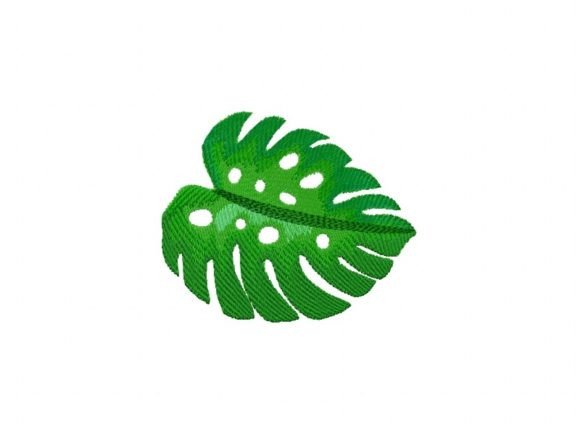
The Monstera leaf comes from the Monstera deliciosa, a tropical plant native to the rainforests of Central America. Its most recognizable feature is the development of natural holes and deep splits, a phenomenon called fenestration. These cuts are not damage or disease; they are the plant's adaptive response to its native understory environment, allowing light to reach lower leaves and reducing wind resistance. As the plant matures, the fenestration becomes more pronounced, which is why a young Monstera may have solid, heart-shaped leaves while an older specimen displays the characteristic Swiss cheese appearance.
It is important to distinguish the Monstera leaf from superficially similar plants, such as the split-leaf philodendron (Thaumatophyllum bipinnatifidum). While often confused in nurseries and online forums, the two have different growth habits and care requirements. The Monstera is a true climber, producing aerial roots that attach to supports, whereas the split-leaf philodendron grows as a self-heading plant. Knowing which you own affects pruning, staking, and long-term space planning.
Why the Monstera Leaf Attracts Attention
Several factors drive interest in the Monstera leaf, and understanding these can help clarify whether your own motivations are likely to be satisfied over the long term.
- Aesthetic versatility. The bold, sculptural form of a mature Monstera leaf works in minimalist, bohemian, industrial, and traditional interiors. It does not rely on flowers for visual interest, so it remains striking year-round.
- Growth rate and scale. Under favorable conditions, a Monstera can produce a new leaf every few weeks during the growing season, and each leaf can reach over 30 centimeters wide. This rapid expansion offers a sense of progress that many plant owners find rewarding.
- Low barrier to entry. Cuttings and young plants are widely available at moderate prices, and propagation from stem cuttings is straightforward. This accessibility lowers the risk for first-time buyers.
- Perceived resilience. Compared to finicky species like calatheas or ferns, the Monstera tolerates a range of indoor conditions, which appeals to people who want a dramatic plant without constant vigilance.
However, these attractions should be tempered with realistic expectations about the plant's needs over its lifetime.
Benefits of Growing a Monstera Leaf
When matched with appropriate care, the Monstera leaf offers several genuine benefits that go beyond decoration.
Air purification potential. Like many broad-leafed tropical plants, the Monstera participates in transpiration and can contribute to indoor humidity levels. Research on indoor plants and air quality is often overstated, but there is evidence that larger plants with high leaf surface area can marginally reduce volatile organic compounds in sealed environments. The Monstera leaf's size amplifies this effect relative to smaller houseplants.
Structural interest at human scale. Because the Monstera grows vertically and laterally, it fills space in a way that small desktop plants cannot. A well-supported specimen can reach two meters or more indoors, creating a living architectural element that anchors a room.
Propagation and sharing. The ease of rooting stem cuttings makes the Monstera a natural choice for people who enjoy sharing plants with friends or expanding their own collection without repeated purchases. This social aspect adds emotional value beyond the plant itself.
Long-term companionship. With proper care, a Monstera can live for decades. It grows slowly enough to adapt to your living space but quickly enough to show seasonal progress. This combination of permanence and change is rare among indoor plants.
Tradeoffs and Practical Challenges
No plant is without compromises, and the Monstera leaf presents several that potential owners should consider before committing.
Space requirements. A mature Monstera is not a small plant. The leaves can span 45 to 60 centimeters in diameter, and the overall spread of the plant can reach 1.5 meters or more. This is not a plant for cramped shelves or low-light corners. If you cannot dedicate at least one square meter of floor space and vertical clearance, the plant will either underperform or require constant pruning.
Support needs. The Monstera is a hemiepiphyte, meaning it naturally climbs trees in the wild. Indoors, it requires a sturdy moss pole, trellis, or other support to develop properly. Without support, the stems tend to sprawl horizontally, taking up excessive floor space and producing smaller, less fenestrated leaves. Installing and maintaining a support system is not difficult, but it is an ongoing commitment that many first-time owners underestimate.
Fenestration expectations. Not every Monstera leaf develops the dramatic splits shown in idealized images. Fenestration depends on light intensity, maturity, and genetics. A young plant in moderate light may produce only solid leaves for months or years. If you are primarily interested in the iconic Swiss cheese appearance, you may need to provide bright indirect light, patience, and sometimes supplemental lighting during winter months.
Potential for overwhelming growth. Under ideal conditions, a Monstera can grow vigorously enough to require periodic division or rehoming. Owners who travel frequently or prefer low-maintenance plants may find the seasonal pruning, repotting, and cleaning of dusty leaves more demanding than anticipated.
Environmental Conditions for Success
To evaluate whether the Monstera leaf is a strong fit for your situation, consider the following environmental factors.
Light. Bright, indirect light is optimal. Direct sun scorches the leaves, while low light results in leggy growth and reduced fenestration. An east-facing window or a few feet back from a south or west window works well. If your home lacks natural light, you can supplement with grow lights, but this adds equipment and energy costs.
Humidity. While Monstera adapts to average household humidity, it performs best above 50 percent. In dry climates or during heated winters, leaf edges may brown. Grouping plants, using a humidifier, or placing the pot on a pebble tray can mitigate this, but these measures require ongoing attention.
Temperature. Monstera thrives between 18 and 29 degrees Celsius. It is sensitive to cold drafts and temperatures below 10 degrees. Proximity to drafty windows or air conditioning vents can cause leaf damage.
Soil and watering. The Monstera requires well-draining, peat-based potting mix. Overwatering is the most common cause of decline, leading to root rot. Allow the top two to three centimeters of soil to dry between waterings. In winter, reduce frequency. This balance is straightforward once established, but beginners often struggle with the transition from overwatering to underwatering.
Situations Where Monstera Leaf Is a Strong Fit
The Monstera leaf excels in specific contexts. If you recognize your situation in the following scenarios, it is likely a suitable choice.
- You have ample floor space and vertical height. A living room with high ceilings or an open-plan area can accommodate a mature Monstera without crowding.
- You enjoy visible growth and periodic maintenance. If repotting, staking, and pruning feel satisfying rather than burdensome, the Monstera will reward you.
- You want a statement plant that does not rely on flowers. For people who prefer foliage over blooms, the Monstera leaf provides year-round interest.
- You are willing to learn about light and watering. The plant is forgiving of minor mistakes but requires basic attentiveness. It is not a set-and-forget option.
- You plan to propagate or share plants. The ease of cuttings makes it ideal for community plant swaps or gifting.
When Alternatives May Be Worth Considering
For some situations, other plants may serve your goals better than the Monstera leaf.
Limited space. If you cannot dedicate floor space, consider a smaller climbing aroid such as Epipremnum aureum (pothos) or Scindapsus pictus (satin pothos). These offer similar leaf shapes at a fraction of the size and can be trained on small trellises or allowed to trail.
Very low light. In rooms with only north-facing windows or deep interior spaces, the Monstera will struggle. Alternatives like Zamioculcas zamiifolia (ZZ plant) or Sansevieria (snake plant) tolerate much lower light levels without leaf loss or etiolation.
Consistent travel or neglect. If your schedule involves frequent absences of two weeks or more, a Monstera may suffer between waterings. Succulents, cacti, or drought-tolerant houseplants like Peperomia species require less frequent intervention.
Allergy or pet concerns. Monstera leaves contain calcium oxalate crystals, which are toxic to cats, dogs, and humans if ingested. Symptoms include oral irritation, drooling, and vomiting. If you have pets that chew plants or small children who explore with their mouths, a non-toxic alternative such as Chlorophytum comosum (spider plant) or Maranta leuconeura (prayer plant) may be more appropriate.
Desire for compact, slow growth. If you prefer a plant that stays within a defined footprint without regular pruning, consider Alocasia species or Philodendron hederaceum, which grow more compactly or can be easily trimmed to size.
Practical Decision-Making Insights
To determine whether the Monstera leaf aligns with your goals, conduct a brief self-assessment using the following criteria.
- Measure your available space. Account for both floor area and vertical clearance. Remember that the plant will need room to spread as it matures.
- Assess your light conditions. Use a light meter app on your phone or observe brightness at different times of day. If your space receives less than four hours of indirect bright light, plan for supplemental lighting or reconsider the plant.
- Evaluate your maintenance tolerance. Be honest about how much time you are willing to spend on watering, cleaning leaves, and adjusting support structures. The Monstera asks for weekly attention during the growing season and biweekly during dormancy.
- Consider your long-term plans. If you move frequently or expect changes in your living situation, the Monstera's size may become a liability. Smaller, portable plants may be more practical.
- Review your budget for accessories. Beyond the plant itself, you may need a pot with drainage holes, a moss pole, potting mix, and possibly grow lights. These ancillary costs add up.
If after this evaluation you decide the Monstera leaf fits, start with a young plant or a rooted cutting rather than a mature specimen. This approach gives you time to adapt to its care and allows the plant to acclimate to your specific environment. Monitor the first three to six months closely, paying attention to leaf color, fenestration development, and root health. Adjust light and watering as needed. With realistic expectations and consistent care, the Monstera leaf can become a rewarding long-term addition to your indoor space.