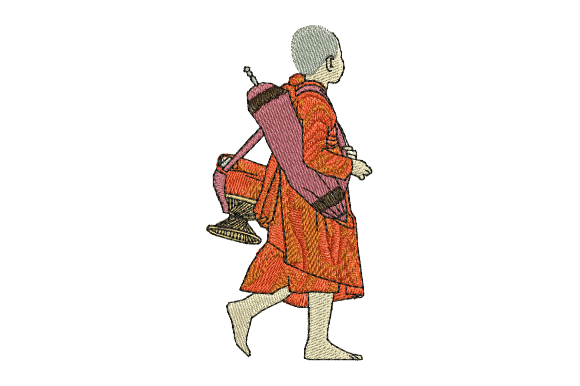
Novice Monk: A Practical Introduction to Monastic-Inspired Mindfulness
For anyone exploring ways to bring more calm, focus, and intentionality into daily life, the concept of a "Novice Monk" has emerged as a structured approach rooted in monastic traditions—but stripped of religious affiliation. Rather than referring to a specific product or app, Novice Monk generally describes a self-directed practice or program that guides beginners through simple, monk-like routines: meditation, minimalism, silent reflection, and disciplined schedules. This article provides an objective evaluation of the Novice Monk approach, helping you decide whether it aligns with your personal goals, lifestyle, and expectations.
What Is Novice Monk?
At its core, Novice Monk is a framework that adapts elements from Buddhist and other monastic traditions into a secular, beginner-friendly practice. It typically involves:
- Daily meditation sessions (often 10–30 minutes)
- Scheduled periods of silence or reduced digital distraction
- Simplified routines around eating, sleeping, and work
- Focus on mindfulness in everyday tasks
- Optional reading or reflection prompts drawn from contemplative texts
Unlike some meditation apps that emphasize quick relaxation, Novice Monk asks for a deeper commitment to structure and repetition. It is not a passive consumption of content but an active participation in a lifestyle shift.
Why Might Someone Be Interested in Novice Monk?
People usually turn to Novice Monk when they feel stuck in a cycle of busyness, digital overload, or emotional reactivity. The promise of mental clarity and inner peace is common across many mindfulness offerings, but Novice Monk differentiates itself through its emphasis on routine and discipline. If you have tried casual meditation and found it insufficient, or if you crave a more transformative structure, this approach may appeal to you.
Other typical motivations include:
- A desire to cut down on information overload
- Interest in monastic aesthetics or minimalism
- Seeking a sense of purpose beyond career or consumption
- Curiosity about contemplative practices without religious commitment
Benefits
Practitioners often report genuine improvements in concentration, emotional regulation, and overall sense of calm. The structured schedule reduces decision fatigue—you know when to meditate, when to work, and when to rest. Over time, many find they become less reactive and more present. The simplicity of the program also lowers the barrier to entry: no special equipment or retreat costs are needed. Just a willingness to follow a set routine.
Tradeoffs and Challenges
Novice Monk is not a quick fix. It requires a significant time investment—often 30–60 minutes per day for core practices. For people with demanding jobs, family obligations, or irregular schedules, maintaining the discipline can be difficult. There is also a risk of burnout or guilt if you miss sessions, especially if you treat the program as an all-or-nothing commitment.
Another tradeoff is social isolation. Monastic routines often emphasize solitude, which can conflict with social responsibilities or a desire for community. Some users find that strict silence or digital fasting creates friction with friends or colleagues who expect immediate responses.
Considerations Before You Start
Before adopting Novice Monk, consider the following:
- Time availability: Can you reliably carve out 30–60 minutes of uninterrupted time each day?
- Flexibility: How strict do you want the program to be? Some versions allow adjustment, while others encourage rigid adherence.
- Support system: Do you have a quiet space and the ability to explain your practice to those around you?
- Cultural sensitivity: If you are borrowing from Buddhist or Hindu traditions, be mindful of respectful adaptation rather than appropriation.
When Novice Monk Is a Strong Fit
Novice Monk works best for individuals who are already motivated self-starters. If you respond well to clear routines and measurable progress (e.g., minutes meditated, days without distractions), the structured nature of the program can be highly effective. It is also a strong fit for people who:
- Have tried more casual mindfulness apps but found them too flexible or shallow
- Enjoy minimalism and decluttering as a lifestyle
- Are going through a life transition (career change, breakup, relocation) and want a stable anchor
- Value long-term skill building over temporary relief
For these users, the tradeoffs of time and solitude are acceptable because the rewards—self-discipline, mental clarity, and a sense of purpose—are seen as worth the investment.
When Alternatives May Be Worth Considering
Novice Monk is not ideal for everyone. If any of the following describe you, other approaches might serve you better:
- You have very limited time. If you can only spare 5–10 minutes daily, a micro-meditation app like Headspace or Calm provides guided sessions that fit into a busy day.
- You need social accountability. Novice Monk is primarily solo. If you thrive in group settings, consider a local meditation circle, online community, or a guided retreat.
- You prefer variety. The repetitive nature of Novice Monk may feel monotonous. Alternatives like walking meditation, yoga, or creative mindfulness (e.g., drawing, journaling) offer more diversity.
- You are managing acute stress or trauma. Without professional mental health support, a strict monastic-style practice could exacerbate issues. Adaptive mindfulness programs (e.g., Mindfulness-Based Stress Reduction) are designed with therapeutic foundations.
Other secular alternatives include the Mindfulness Daily app, the book "10% Happier" by Dan Harris, or online courses from reputable organizations like the Center for Mindfulness at UMass. Each offers a softer entry point with less demand on lifestyle changes.
Practical Decision-Making Insights
To determine whether Novice Monk aligns with your goals, take a step back and clarify what you hope to achieve:
- Define your primary need. Is it stress reduction, spiritual growth, focus, or habit change? Novice Monk excels at discipline and focus, but for stress relief alone, a more relaxed approach may work.
- Test a pilot period. Commit to trying a simplified Novice Monk routine for 7 days. Meditate 15 minutes each morning, eat one meal in silence, and avoid screens for an hour before bed. Assess how it feels.
- Evaluate your tolerance for rigidity. If you felt anxious or resentful about the rules, the full program may not suit you. If you found comfort in the structure, it’s a good sign.
- Consider combining approaches. You don’t have to choose Novice Monk exclusively. You could integrate monk-style practices (e.g., silent mornings) while keeping other tools like guided meditations or group sessions.
Remember that no single mindfulness practice is perfect for everyone. The value of exploring Novice Monk lies not in blindly following a template, but in understanding which elements of monastic discipline actually improve your life—and which ones just add unnecessary pressure.
Final Thoughts on Novice Monk
Novice Monk offers a compelling, no-frills path to mindful living for those who crave structure and are willing to invest time. Its strengths are its simplicity, depth, and emphasis on real change rather than temporary relaxation. At the same time, it demands a level of commitment and solitude that modern life often resists. By weighing the benefits against the tradeoffs, and by honestly assessing your current circumstances and temperament, you can decide whether a novice monk’s journey is right for you—or whether a different compass will lead you to the same destination.