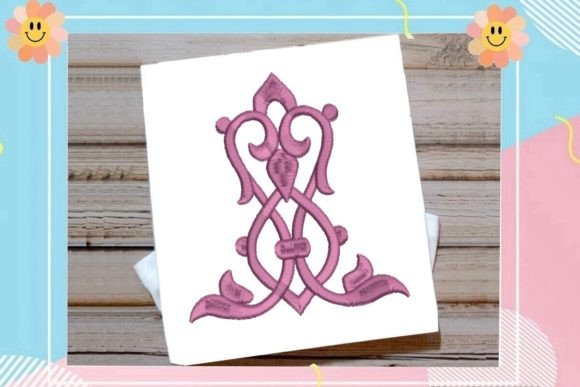
The Art of Beautiful Islamic Motif: Beyond Decoration Into Everyday Life
There is something quietly mesmerizing about a well-composed Islamic motif. Whether it unfolds across a ceramic tile, repeats along the border of a rug, or spirals subtly into the design of a digital wallpaper, the visual rhythm feels both ancient and surprisingly modern. For many of us, encountering these patterns for the first time stirs a sense of awe. But what exactly makes a beautiful Islamic motif, and more importantly, how can it serve a real purpose in your life today?
At its core, a beautiful Islamic motif refers to the intricate decorative patterns rooted in Islamic art traditions. These typically fall into three overlapping categories: geometric interlacing, flowing arabesque (vegetal scrolls), and calligraphic ornamentation. What sets them apart from other ornamental styles is their mathematical precision combined with a deliberate sense of infinity. Patterns repeat endlessly, symbolizing the boundless nature of creation, yet each repetition invites your eye to pause and appreciate the detail.
Now, let's move beyond the history books and into the spaces where these motifs actually live and breathe today.
Where You Already Encounter Islamic Motifs Without Realizing It
Think about the last time you stepped into a modern hotel lobby in the Middle East or South Asia. Chances are, the floor featured a subtle geometric star pattern, or the ceiling panels echoed the shape of a muqarnas vault. These aren't just decorative flourishes. They are spatial anchors that ground a room in cultural memory while keeping the aesthetic contemporary. Architects and interior designers regularly turn to Islamic motifs to create environments that feel both grounded and transcendent.
But you don't have to be designing a five-star hotel to benefit from these patterns. A young professional renting a flat in Istanbul might choose a cushion cover with a repeating eight-pointed star to bring warmth and heritage into a minimalist space. A graphic designer in London might incorporate a stylized arabesque into a brand identity for a wellness startup, hoping to communicate harmony and balance without using a single word.
Homeowners and Renters Looking for Character
If you have ever walked into a room that felt sterile or impersonal, you already understand the value of a motif that carries personality. Islamic geometric patterns work exceptionally well in entryways, living rooms, and reading nooks because they create a focal point without shouting. A single Moroccan tile backsplash in a kitchen can transform the entire energy of the space. A prayer rug with a subtle mihrab design doubles as a piece of textile art even when not in use. The key here is restraint. A little goes a long way. One well-placed motif can do more for a room than a dozen generic decorations.
Entrepreneurs and Small Business Owners
For those running a business, visual identity matters immensely. A beautiful Islamic motif can become the cornerstone of your branding without being overtly religious. Many halal food brands, ethical fashion labels, and lifestyle blogs serving Muslim audiences use geometric or arabesque patterns in their logos, packaging, and social media templates. The motif signals quality, tradition, and attention to detail. I have seen a small online shop selling handmade soaps triple its engagement simply by switching to packaging inspired by 14th-century Persian tile work. The pattern told a story before the customer even read the ingredients list.
Creatives and Digital Designers
If you work in digital design, you likely know how hard it is to find patterns that feel meaningful rather than decorative fluff. Islamic motifs offer a rich vocabulary for backgrounds, icons, and interface elements. A fintech app targeting users in Southeast Asia might use a subtle girih-inspired grid to structure its dashboard. A wedding invitation designer can pull from floral arabesques to frame text without clashing with modern typography. These motifs scale beautifully. They work at the size of a favicon or a billboard because their geometry is mathematically robust.
Event Planners and Wedding Organizers
Islamic weddings, milestone celebrations, and community gatherings often call for decorations that feel both festive and reverent. Motifs appear everywhere: on invitation cards, table runners, backdrop screens, and even on the bride's henna designs. What many planners discover is that a unified motif throughout the event creates a cohesive experience. Instead of mixing random floral arrangements and generic bunting, choosing one repeating pattern and applying it across stationery, signage, and textiles brings a level of polish that guests notice immediately. It also photographs well, which matters in an era where event imagery lives on social media for years.
What to Consider Before Choosing or Applying an Islamic Motif
Because these patterns carry cultural and sometimes spiritual significance, a few thoughtful considerations go a long way.
- Context matters more than complexity. A intricate 16-point star pattern might be breathtaking in a large public hall, but overwhelming on a coffee mug. Scale your motif to its intended surface and purpose.
- Color can shift meaning. Traditional Islamic motifs often used lapis blue, turquoise, deep red, and gold. But contemporary applications in muted earth tones or monochrome palettes can feel just as authentic while fitting a modern aesthetic. For instance, a charcoal grey geometric pattern on a matte black phone case reads as sophisticated rather than traditional.
- Be mindful of placement. In many Muslim communities, motifs that incorporate verses from the Quran or stylized calligraphy of divine names are treated with reverence. If you are designing for a space where people pray or engage in religious study, consider where the motif will be positioned relative to foot traffic, seating, and eye level.
- Authenticity versus adaptation. There is a difference between borrowing a motif with respect and mishandling it as a trend. If you are not part of the culture, take the time to learn the origins of the pattern you want to use. Many contemporary artists and studios offer licenses or collaborations that honor the tradition while allowing for modern reinterpretation.
Strengths That Make Islamic Motifs Stand Out
One of the most practical strengths of a beautiful Islamic motif is its timelessness. Unlike seasonal design fads, these patterns have held visual relevance for centuries. They do not look dated after a few years. A geometric tile floor installed today will still feel current two decades from now, which makes them a smart choice for renovations and investments.
Another strength is versatility. Islamic motifs translate across materials with remarkable ease. The same pattern can be woven into silk, carved into wood, printed on paper, etched into glass, or rendered in pixels. This means you can carry a consistent visual language across physical and digital spaces without losing coherence.
Additionally, these motifs naturally encourage mindfulness. Because they often lack representational imagery, they invite the viewer to focus on symmetry, repetition, and precision. In a world of constant notifications and visual noise, a space with a well-chosen Islamic motif can feel like a visual breath. Many people report feeling calmer in rooms that use geometric Islamic patterns, which is why they appear frequently in meditation spaces, yoga studios, and quiet corners of homes.
Honest Limitations to Keep in Mind
No design element is perfect for every situation, and Islamic motifs have their moments where they may not be the best fit.
- Crowded spaces. If your room or product already has a lot of competing patterns, busy textures, or bold colors, adding an intricate Islamic motif can create visual chaos rather than harmony. These patterns work best when they are given room to breathe. Pair them with solid surfaces, neutral backgrounds, or minimal furnishing.
- Cost of quality execution. A cheaply printed Islamic motif can look disappointing. Because the patterns rely on precise symmetry and clear lines, low-resolution printing or sloppy craftsmanship can make them appear distorted or cheap. If you are investing in a piece that features these motifs, prioritize quality over price. A well-made piece will last and look better over time.
- Cultural friction in certain contexts. In regions where Islamic art is not widely understood, some people may misinterpret the motifs as exclusively religious or politically charged. If you are designing for a diverse audience, you might want to balance the motif with more universal design elements or offer a brief contextual note. This is less about avoiding the motif and more about being a considerate communicator.
- Not for every brand voice. If your brand identity leans into edgy, disruptive, or deliberately chaotic aesthetics, a symmetrical and harmonious Islamic motif could feel mismatched. These patterns suit brands rooted in trust, tradition, calm, or craftsmanship more naturally than those aiming for rebellious energy.
Choosing the Right Motif for Your Purpose
If you are ready to explore Islamic motifs for a specific project, start by looking at the three main families. Geometric motifs, with their stars and polygons, are excellent for structural applications like flooring, wall cladding, and digital grids. Arabesque motifs, with their flowing vines and leaves, bring softness and movement to textiles, wallpapers, and curved surfaces. Calligraphic motifs carry direct meaning and are best reserved for pieces where the message itself is part of the decoration.
When selecting a specific pattern, consider the scale of your project. A small repeat pattern works beautifully for fabric or wrapping paper, while a large central medallion suits a rug or a ceiling. Also, think about the emotional tone you want to set. Tight, angular geometry feels disciplined and ordered. Flowing arabesques feel organic and generous. A combination of both, as seen in many classical Islamic interiors, creates a dynamic balance between structure and life.
Finally, do not underestimate the power of a single motif used deliberately. A simple eight-pointed star on a business card, a subtle arabesque border on a website header, or a geometric tile in a bathroom corner can carry more weight than a wall full of generic decoration. The beauty of an Islamic motif is not in its abundance but in its intention. Use it where it matters, and it will reward you with layers of meaning and visual pleasure that few other design traditions can offer.
Whether you are furnishing a home, launching a brand, creating digital art, or planning an event, a beautiful Islamic motif gives you a language that speaks across time and cultures. It connects the practical with the poetic. And in a fast-moving world, that kind of staying power is rare and worth holding onto.