Why Mastering How to Create Back to School Stickers Unlocks Seasonal Business Growth
Every August and September, a wave of energy sweeps through households, classrooms, and retail aisles. The back-to-school season is not just a logistical event for families; it is a cultural and commercial phenomenon that drives billions in consumer spending. For creators, entrepreneurs, and marketers, this period represents a concentrated opportunity to connect with an audience that is actively searching for tools to express identity, organize belongings, and mark a fresh start. Among the most versatile and increasingly demanded products in this space is the humble sticker. Understanding how to create back to school stickers is no longer a niche craft skill. It is a strategic capability that sits at the intersection of personalization, print-on-demand commerce, and seasonal marketing. This article explores why this skill matters, how it fits into larger industry shifts, and what professionals need to consider to turn sticker creation into a meaningful business or engagement tool.
The Back-to-School Sticker as a Cultural and Commercial Artifact
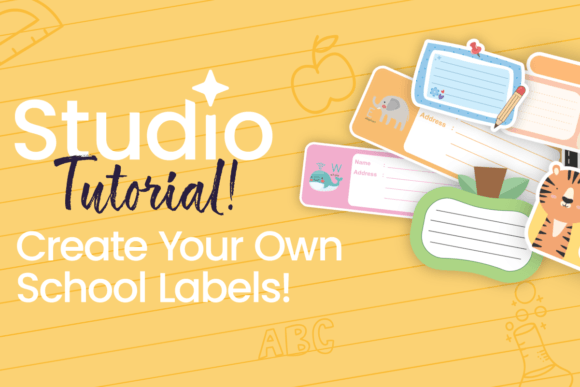
Stickers have long been a staple of student life. From decorating notebooks and laptops to labeling lunch boxes and water bottles, they serve both functional and expressive purposes. Yet the current moment has elevated the sticker from a simple adhesive decoration to a deliberate medium for branding, community building, and personal narrative. When you learn how to create back to school stickers, you are tapping into a broader trend of micro-personalization. Students and parents alike are no longer satisfied with generic, mass-produced designs. They want stickers that reflect specific interests, school colors, motivational messages, or inside jokes. This shift mirrors the larger movement toward individualized consumer experiences across retail, digital products, and even education itself. The sticker has become a low-friction, high-identity item that allows people to claim their space and tell their story without saying a word.
Why Professionals and Creators Are Paying Attention
For years, the sticker market was dominated by large stationery brands and licensed characters. Today, the barriers to entry have collapsed. Affordable cutting machines, print-on-demand services, and easy-to-use design software have opened the field to independent creators and small businesses. The question is no longer whether you can make stickers, but whether you can make stickers that resonate with a specific audience at a specific moment. This is where how to create back to school stickers becomes a distinctly strategic question. Back-to-school is a time-limited, emotionally charged season. Parents are preparing children for a new grade; teachers are setting up classrooms; students are curating their personal style. Each of these personas has different needs, and a sticker that appeals to a third-grader will not work for a high school senior or a kindergarten teacher. Professionals who invest in understanding these nuanced audiences can create targeted collections that outperform generic offerings. The skill set required here goes beyond graphic design. It involves market observation, seasonal timing, and an understanding of how stickers function as both utility items and emotional anchors.
Changing Workflows and the Rise of Print-on-Demand Integration
One of the most significant developments enabling sticker creation as a scalable business activity is the maturation of print-on-demand (POD) and short-run manufacturing. In the past, creating a sticker collection required upfront investment in inventory, storage, and distribution. Today, a creator can design a sheet of stickers, upload it to a POD platform, and fulfill orders as they come in. This model reduces financial risk and allows for rapid iteration based on customer feedback. When you understand how to create back to school stickers within a POD workflow, you gain the ability to test multiple design themes, adjust messaging as the season progresses, and even launch limited-edition runs without overextending resources. This is particularly valuable for freelancers and small business owners who operate with lean teams. The technology has matured to the point where quality is no longer a compromise. Die-cut options, waterproof materials, and eco-friendly substrates are all accessible at small scales. The challenge has shifted from production logistics to creative strategy and audience alignment.
The Intersection of Sticker Creation and Seasonal Branding
For marketers and entrepreneurs, the back-to-school season is a chance to build brand affinity in a context that is inherently positive and forward-looking. A well-designed sticker can function as a miniature billboard, but only if it earns a place on a student's laptop or water bottle. This is where the design philosophy behind how to create back to school stickers must prioritize value to the user over overt promotion. A sticker that says "Straight A's" or "My Favorite Subject: Recess" can become a conversation starter or a badge of identity. A sticker that simply displays a logo without context or charm is likely to be ignored. The most effective back-to-school stickers are those that embed a brand or message inside a moment that already matters to the user. This principle aligns with the broader shift in marketing away from interruptive advertising and toward content that provides utility, humor, or emotional resonance. For a local tutoring center, a sticker with a clever math pun can be more effective than a flyer. For a stationery shop, a sticker that coordinates with a new notebook line can drive upsells and social sharing. The sticker becomes a touchpoint, not a hard sell.
Practical Considerations for Creating Effective Back-to-School Stickers
While the conceptual framework is important, execution matters just as much. Professionals approaching how to create back to school stickers should consider several practical dimensions that influence both quality and reception. First, durability is non-negotiable. Back-to-school stickers end up on water bottles, lunch boxes, backpacks, and outdoor gear. They need to withstand condensation, friction, and repeated handling. Specifying vinyl or laminated materials and testing adhesion on curved and textured surfaces can prevent negative customer experiences and returns. Second, size and layout have functional implications. A sticker sheet that combines a few large designs with several smaller icons allows the user to choose where and how to apply each element. This versatility increases the perceived value of the product. Third, thematic relevance should be balanced with evergreen appeal. While a sticker that reads "First Day of Third Grade" is timely, it has a very short shelf life. Creating designs that reference the season without being date-specific allows you to extend the selling window and reduce leftover inventory. Examples include motifs like apples, pencils, globes, school buses, and motivational phrases that work across multiple grade levels and years.
Broader Trends: From Classroom to Creator Economy
The growing interest in how to create back to school stickers is not an isolated phenomenon. It connects directly to several larger developments in the creative economy and consumer behavior. One is the rise of the "micro-brand" — a small, often one-person business that builds a loyal following around a specific aesthetic or niche. Stickers are an ideal entry point for such brands because they are inexpensive to produce, easy to ship, and highly shareable on social media. Another trend is the gamification of education and organization. Teachers and parents increasingly use stickers as rewards, progress trackers, and motivational tools. A sticker designed to celebrate a reading milestone or a completed homework assignment can become part of a classroom culture. This expands the audience beyond students themselves to include educators and caregivers. Additionally, the broader push toward sustainable consumption has led many sticker creators to offer compostable or recyclable options. Being able to communicate eco-friendly materials and production practices can differentiate a brand in a crowded market. Understanding these contextual trends allows creators to position their sticker offerings not as standalone products, but as part of a larger narrative about identity, learning, and intentional consumption.
Building a Sustainable Practice Around Seasonal Sticker Design
For professionals who intend to treat sticker creation as a recurring revenue stream, the seasonal nature of back-to-school presents both an opportunity and a challenge. The opportunity is clear: concentrated demand and a built-in emotional hook. The challenge is that the window is finite. A creator who only designs back-to-school stickers may struggle to maintain momentum for the rest of the year. One way to address this is to treat the back-to-school collection as part of a broader annual calendar. By understanding how to create back to school stickers effectively, you can apply the same design principles, production workflows, and marketing strategies to other seasonal moments such as holidays, graduation, summer camp, or teacher appreciation week. Each of these occasions has its own visual language, audience expectations, and purchasing patterns. The skills developed during the back-to-school season become transferable. Another approach is to build a library of designs that can be remixed or repurposed. A floral motif used in a back-to-school set might also resonate for spring-themed releases. A motivational phrase can be updated with new typography or colorways for different occasions. This approach reduces wasted creative effort and allows you to build a cohesive brand identity that customers recognize across seasons.
The Role of Community and Feedback in Sticker Design
One advantage that independent creators hold over large manufacturers is the ability to engage directly with their audience. When you learn how to create back to school stickers, you also learn how to listen to the people who will use them. Social media platforms, especially visual ones like Instagram and Pinterest, provide real-time feedback on which designs generate saves, shares, and comments. Polling your audience about color preferences, themes, or text choices can turn sticker creation into a collaborative process. This not only improves the final product but also builds anticipation and investment among your followers. For a freelancer or small business, this community-driven approach reduces guesswork and increases the likelihood that your launch will gain traction. Parents and teachers are often eager to share what works for them, and this qualitative insight can be more valuable than broad market research. Additionally, user-generated content — photos of your stickers in use on backpacks or notebooks — serves as authentic social proof that can be repurposed in marketing materials. Encouraging customers to tag your brand and share their setups creates a virtuous cycle of visibility and trust.
Looking Ahead: The Evolving Landscape of Personal Expression and Utility
The sticker market shows no signs of slowing down. As digital life continues to expand, physical objects that allow for personal expression become even more significant. A sticker on a laptop is a deliberate statement in a world of uniform devices. A sticker on a water bottle is a marker of identity in a sea of similar products. For professionals who understand how to create back to school stickers, the opportunity is not just to sell a product, but to participate in how people shape their environments at a formative time of year. The tools will continue to improve. Design software will become more intuitive, production will become faster and more sustainable, and distribution will become even more global. Yet the core insight will remain unchanged: people want to feel seen, organized, and inspired as they head back to school. Stickers are a surprisingly powerful vehicle for all three. By approaching this craft with strategic intent, attention to quality, and an understanding of the broader cultural moment, creators can build a practice that is both profitable and meaningful. The back-to-school sticker is not a trivial item. It is a small but significant part of how students, parents, and teachers begin a new chapter. Learning to create them well is an investment in understanding what people value at the start of something important.